TOTAL VOLUME:
$150.1b
24H VOL:
$142,857,652
24H TRANSACTIONS:
2,859,322,643
OPEN INTEREST:
$1,733,278,615
483,990
Markets across
35,811
events
MATCHED EVENTS:
3,349
PLATFORM COVERAGE:
5
Polymarket:
38%
VS.
Kalshi:
62%

December 31
- Polymarket
December 31 - Polymarket
1W
News
Positive
Negative
Neutral
Hover marker for details
Vol.
·
Resolves Dec 31, 2026
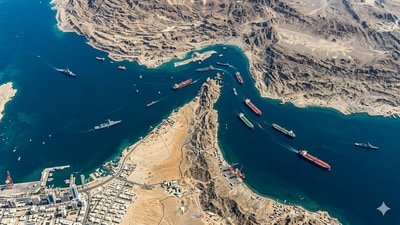
Iran charges Hormuz fees by December 31?
$
Intro
This market tracks whether Iran will begin charging fees for passage through the Strait of Hormuz. Currently, Polymarket gives a 26.5% probability to Iran charging Hormuz fees by December 31st, and a 14% probability to Iran charging Hormuz fees by October 31st. The market resolves based on official announcements from the Iranian government and consensus reporting, as defined by the resolution source. Traders should watch for any official statements regarding new fees or tolls leading up to the resolution date of January 1st, 2027, which marks the end of the observation window for qualifying actions.
Polymarket
This market resolves to “Yes” if the Iranian government officially announces and begins collecting fees, tolls, charges, tariffs, or similar payments from commercial vessels which are mandatory for passage through or access to the Strait of Hormuz between market creation and the specified date, 11:59 PM ET. Otherwise, this market resolves to “No.” A qualifying fee must be an announced policy which applies generally to all commercial vessels, or a defined subcategory of commercial vessels (e.g., vessels flagged to the US and its allies). Isolated demanded charges will not qualify. A fee is mandatory if, in practice, affected commercial vessels cannot transit or access the Strait of Hormuz without paying it, regardless of whether Iran characterizes the payment as voluntary or a fee for services. Fees described as tolls, maritime fees, service charges, environmental fees, security fees, insurance charges, etc. will qualify provided they are recognized as mandatory for passage through or access to the Strait of Hormuz by a consensus of credible reporting (e.g., a mandatory insurance fee charged by the Iranian Persian Gulf Strait Authority would qualify). Both of the following are required to occur prior to the specified date, 11:59 PM ET to satisfy this market’s resolution criteria: 1) An official announcement from the Iranian government that such a fee is being, or will be, implemented. 2) A consensus of credible reporting that collection of the fee has begun. Fees charged by Oman, the United Arab Emirates, shipping insurers, private companies, or other non-Iranian entities do not qualify unless charged jointly with Iran, or if Iran directly receives the fee or controls the charging entity. Normal port fees, customs duties, sanctions-related costs, or shipping surcharges do not alone qualify. The resolution sources will be official announcements from the government of Iran and consensus of credible reporting.
Frequently asked questions
Currently, this market reflects a different perspective than many traditional analyst forecasts regarding Iran’s potential actions. While some analysts believe the likelihood of Iran imposing fees is low, the trading activity on Polymarket suggests a more significant probability. This divergence highlights how prediction markets can aggregate diverse information and potentially offer a more real-time assessment of future events. It’s important to remember that analyst forecasts are often based on established models and may not fully account for rapidly changing geopolitical dynamics, whereas this market directly reflects the collective judgment of traders.
On Polymarket, this market is priced using a continuous double auction, meaning traders can buy and sell contracts representing their belief about whether Iran will charge fees for passage through the Hormuz Strait by the resolution date. On Polymarket, prices reflect that venue's order book, liquidity, and how traders price the outcome right now. The price of a contract reflects the probability of that outcome occurring, with higher prices indicating a greater perceived likelihood. Traders adjust these prices based on new information, geopolitical developments, and their own analysis, creating a dynamic and responsive market. The current price reflects the collective wisdom of those participating in the market.
This market resolves around Jan 1, 2027, with the outcome confirmed once the event is verifiable from credible public reporting. Resolution will depend on whether Iran officially announces and begins collecting fees for passage through the Strait of Hormuz before the resolution date. Any official statements from the Iranian government, confirmed by reputable news sources, will be considered in determining the outcome. The market will then settle based on whether this condition has been met, providing a clear and objective result based on real-world events.
Several signals or events could significantly impact this market. Escalations in geopolitical tensions between Iran and other regional or global powers, particularly the United States, would likely increase the probability of Iran imposing fees. Conversely, successful diplomatic negotiations or a de-escalation of tensions could lower the odds. Major disruptions to oil tanker traffic in the Persian Gulf, or significant changes in Iran’s economic situation, could also influence trading activity. Any official statements from Iranian officials regarding the Strait of Hormuz will be closely watched by traders and could lead to substantial price movements.

'%3e%3ccircle%20cx='26'%20cy='26'%20r='26'%20fill='%23000'/%3e%3cpath%20fill='%23fff'%20d='M27.6629%2037.9855L31.004%2037.6925L32.1989%2051.3689C33.72%2051.027%2035.2073%2050.5486%2036.6425%2049.9395V37.8085H40.7697V47.7178C42.4942%2046.577%2044.0775%2045.236%2045.4865%2043.7226L46.0172%2037.6591L49.5548%2037.9678C51.5707%2034.0725%2052.5697%2029.7306%2052.4591%2025.3456C52.3484%2020.9605%2051.1317%2016.6746%2048.9219%2012.886L48.7903%2014.392L44.6631%2014.0303L45.1937%207.97067C43.8569%206.58147%2042.3706%205.34447%2040.7619%204.28222V14.2406H36.6347V2.06247C34.8743%201.313%2033.0358%200.762345%2031.1533%200.420753L32.3463%2014.0637L29.0052%2014.3566L27.7513%200.0314647C27.3308%200.0118035%2026.9062%200%2026.4817%200C24.8262%204.44017e-06%2023.1745%200.157349%2021.5487%200.469906L23.9072%2013.8985L21.364%2014.3468L19.0253%201.0853C16.8454%201.73668%2014.7611%202.67345%2012.8266%203.87129L15.4601%2013.7019L13.4634%2014.2387L11.0146%205.09226C9.12509%206.49278%207.43337%208.1422%205.98527%209.99577L7.26077%2013.5014L5.80446%2014.0322L4.88665%2011.5097C3.41845%2013.6953%202.29182%2016.092%201.54558%2018.6172L1.95829%2018.4678L7.2647%2033.0387L5.80839%2033.5696L1.06407%2020.5303C-0.0225105%2025.6016%200.430464%2030.8821%202.36486%2035.6941C4.29926%2040.5061%207.62683%2044.6301%2011.9206%2047.5369L9.45605%2038.3355L11.4528%2037.7987L14.4677%2049.0567C16.5333%2050.1354%2018.7355%2050.9291%2021.0142%2051.4161L18.6892%2038.1605L21.2343%2037.7122L23.7283%2051.8683C24.6462%2051.9654%2025.5686%2052.014%2026.4916%2052.0138C27.2954%2052.0138%2028.0933%2051.9764%2028.8795%2051.9037L27.6629%2037.9855Z'%20/%3e%3cpath%20fill='%23000'%20d='M46.0368%2018.1276L50.1542%2018.4875L48.804%2033.9372L44.6768%2033.5774L46.0368%2018.1276ZM36.6484%2018.279H40.7756V33.7858H36.6484V18.279ZM31.0099%2018.1611L32.3601%2033.6109L29.019%2033.9038L27.6668%2018.454L31.0099%2018.1611ZM13.481%2033.7898L9.4698%2018.8099L11.4666%2018.2751L15.4778%2033.2452L13.481%2033.7898ZM21.3817%2033.892L18.6892%2018.6211L21.2343%2018.1729L23.9248%2033.4418L21.3817%2033.892Z'%20/%3e%3c/g%3e%3c/svg%3e)
%20scale(0.82)%20translate(-12.5%20-12.5)'%3e%3cpath%20fill='%23000'%20fill-rule='evenodd'%20d='M9.619%2012.69h12.995a1.382%201.382%200%200%200%200-2.76h-3.932l5.298-5.405.032-.032L22.08%202.56h-5.255V1.38c0-.76-.619-1.38-1.38-1.38H9.81c-.76%200-1.38.62-1.38%201.38V11.5c0%20.657.534%201.19%201.19%201.19m12.995-2.186h-5.3l5.89-6.01-1.139-1.139-5.813%205.933V1.38a.806.806%200%200%200-.805-.806.806.806%200%200%200-.805.806v9.545c0%20.656.533%201.19%201.189%201.19h6.783a.806.806%200%200%200%200-1.612'%20clip-rule='evenodd'/%3e%3cpath%20fill='%23000'%20fill-rule='evenodd'%20d='M14.393%2011.31H1.398a1.382%201.382%200%200%200%200%202.76H5.33L.032%2019.476%200%2019.507l1.931%201.933h5.255v1.18c0%20.76.619%201.38%201.379%201.38h5.638c.76%200%201.38-.62%201.38-1.38V12.5c0-.657-.534-1.19-1.19-1.19m.293%2011.31a.8.8%200%200%201-.788.805.797.797%200%200%201-.787-.805v-7.904l-5.69%205.928-1.113-1.139%205.764-6.005H6.884a.797.797%200%200%201-.787-.806c0-.444.353-.806.787-.806h6.638c.642%200%201.164.534%201.164%201.19z'%20clip-rule='evenodd'/%3e%3c/g%3e%3c/svg%3e)