TOTAL VOLUME:
$114.4b
24H VOL:
$101,900,907
24H TRANSACTIONS:
1,362,287,844
OPEN INTEREST:
$1,178,729,067
335,697
Markets across
33,528
events
MATCHED EVENTS:
4,579
PLATFORM COVERAGE:
5
Polymarket:
42%
VS.
Kalshi:
58%



Above 3.00%
- Kalshi
Above 3.00% - Kalshi
1W
News
Positive
Negative
Neutral
Hover marker for details
Vol.
·
Resolves Oct 8, 2026
Latest in Economics
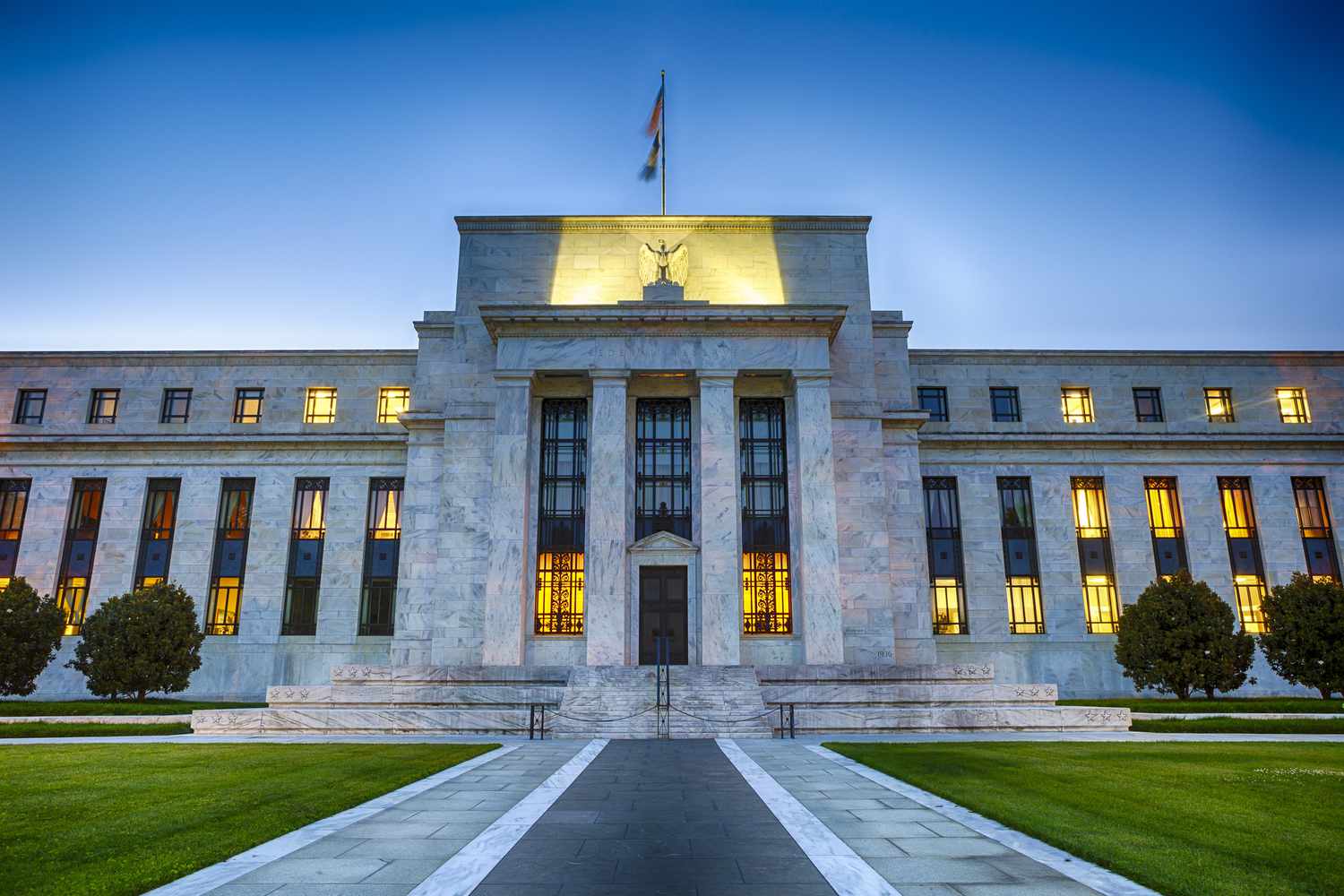
Will the first published Effective Federal Funds Rate (EFFR) value for September 30, 2026 be above 3.00%?
$

Description
This event group tracks the Federal Reserve's decisions on the target federal funds rate across three consecutive Federal Open Market Committee (FOMC) meetings from June to September. The markets resolve based on whether the upper bound of the target rate is cut, paused, or changed in unexpected ways during these meetings.
PredictionHero - Resolution Divergence Alerts (RDA)
Unified Resolution Criteria (Consistent across platforms)
All platforms use the same resolution criteria based on the upper bound of the target federal funds rate announced after each FOMC meeting.Primary resolution logic: FOMC statements and the Federal Reserve's official websiteCore resolution logic:
- A qualifying cut occurs when the new upper bound of the target federal funds rate is lower compared to the level prior to the meeting
- A qualifying pause occurs when the new upper bound remains equal to the prior level
- Any rate hike or combination not listed in the market resolves to "Other"
- Emergency rate cuts outside scheduled meetings are not considered
Edge cases & clarifications:
- Rate Hike: Any rate hike will resolve the market to "Other", regardless of the pattern
- Emergency Cuts: Emergency rate cuts outside regularly scheduled meetings will not be considered for resolution
Polymarket
The FED interest rates are defined in this market by the upper bound of the target federal funds rate. The decisions on the target federal funds rate are made by the Federal Open Market Committee (FOMC) meetings. This market will resolve according to the decisions made by the next three Federal Open Market Committee (FOMC) meetings: June 16-17; July 28-29; and September 15-16. A qualifying cut occurs when the new upper bound of the target federal funds rate is lower compared to the level it was prior to the respective meeting. A qualifying hike occurs when the new upper bound of the target federal funds rate is higher compared to the level it was prior to the respective meeting. A qualifying pause occurs when the new upper bound of the target federal funds rate is equal to the level it was prior to the respective meeting. If the Fed publishes a different combination than any listed, this market will resolve to "Other". Any rate hike will be encompassed by "Other". Emergency rate cuts outside the regularly scheduled meetings will not be considered. The resolution source for this market is the FOMC’s statement after its meetings: https://www.federalreserve.gov/monetarypolicy/fomccalendars.htm The level and change of the target federal funds rate is also published at the official website of the Federal Reserve: https://www.federalreserve.gov/monetarypolicy/openmarket.htm
Kalshi
Resolution is based on the first published Effective Federal Funds Rate (EFFR) value for September 30, 2026. Each market outcome corresponds to a specific threshold: the rate must exceed 3.00%, 3.25%, 3.50%, 3.75%, or 4.00% respectively for the corresponding market to resolve affirmatively. The EFFR value used will be the official rate published for that date, and resolution occurs when this data becomes available. Markets are structured such that if the EFFR exceeds a given threshold, that outcome resolves Yes; outcomes representing lower thresholds would also resolve Yes if a higher threshold is exceeded (e.g., if EFFR is 3.60%, both the 3.50% and 3.25% markets resolve Yes, but the 3.75% and 4.00% markets resolve No).
Predict
The FED interest rates are defined in this market by the upper bound of the target federal funds rate. The decisions on the target federal funds rate are made by the Federal Open Market Committee (FOMC) meetings. This market will resolve according to the decisions made by the next three Federal Open Market Committee (FOMC) meetings: June 16-17; July 28-29; and September 15-16. A qualifying cut occurs when the new upper bound of the target federal funds rate is lower compared to the level it was prior to the respective meeting. A qualifying hike occurs when the new upper bound of the target federal funds rate is higher compared to the level it was prior to the respective meeting. A qualifying pause occurs when the new upper bound of the target federal funds rate is equal to the level it was prior to the respective meeting. If the Fed publishes a different combination than any listed, this market will resolve to "Other". Any rate hike will be encompassed by "Other". Emergency rate cuts outside the regularly scheduled meetings will not be considered. The resolution source for this market is the FOMC’s statement after its meetings: https://www.federalreserve.gov/monetarypolicy/fomccalendars.htm The level and change of the target federal funds rate is also published at the official website of the Federal Reserve: https://www.federalreserve.gov/monetarypolicy/openmarket.htm
Frequently asked questions
Prediction markets like these typically embed forward-looking consensus faster than traditional analyst surveys, since traders face direct financial incentive to price outcomes accurately. This market's odds reflect live betting rather than periodic Fed fund futures or Wall Street consensus calls. Analysts often lag market repricing when new economic data emerges, whereas traders adjust positions in real time. Comparing this market's odds to published Fed rate expectations from major banks or the CME FedWatch tool reveals whether professional forecasters and prediction market participants align or diverge on the likelihood of rate moves.
Polymarket and Kalshi can show different implied probabilities for the same outcome because of liquidity, fee structure, participant mix, and how each venue defines the contract. Each platform attracts different trader demographics, liquidity pools, and fee structures, which can create temporary price gaps. Polymarket focuses on pause scenarios, while Kalshi tracks a specific rate threshold, so they measure slightly different outcomes. Arbitrage opportunities exist when one platform reprices faster than the other following Fed communications or economic releases. Differences typically narrow as traders exploit spreads, but structural variations in how each platform frames the question mean perfect alignment is rare.
This market resolves around Sep 17, 2026, once the relevant Federal Reserve decisions and published rates for the June through September period are finalized. The outcome is verified against credible public sources, including official Fed announcements and the published effective federal funds rate. Traders should monitor FOMC meeting dates and economic calendar releases leading up to resolution, as these events directly influence whether rate pauses, hikes, or cuts materialize. Final settlement depends on which scenario actually occurred during the specified window.
Inflation data, employment reports, and GDP releases will heavily influence rate expectations and shift odds throughout the period. FOMC meeting announcements and Chair Powell's communications provide direct signals about policy direction. Unexpected economic shocks—recession indicators, wage growth surprises, or financial stability concerns—can trigger sharp repricing. Treasury yield movements and global central bank actions also matter, since they shape expectations for U.S. monetary policy. Traders should track the economic calendar closely, as each major data release typically generates volume spikes and odds adjustments in this market.
%20scale(0.82)%20translate(-12.5%20-12.5)'%3e%3cpath%20fill='%23000'%20fill-rule='evenodd'%20d='M9.619%2012.69h12.995a1.382%201.382%200%200%200%200-2.76h-3.932l5.298-5.405.032-.032L22.08%202.56h-5.255V1.38c0-.76-.619-1.38-1.38-1.38H9.81c-.76%200-1.38.62-1.38%201.38V11.5c0%20.657.534%201.19%201.19%201.19m12.995-2.186h-5.3l5.89-6.01-1.139-1.139-5.813%205.933V1.38a.806.806%200%200%200-.805-.806.806.806%200%200%200-.805.806v9.545c0%20.656.533%201.19%201.189%201.19h6.783a.806.806%200%200%200%200-1.612'%20clip-rule='evenodd'/%3e%3cpath%20fill='%23000'%20fill-rule='evenodd'%20d='M14.393%2011.31H1.398a1.382%201.382%200%200%200%200%202.76H5.33L.032%2019.476%200%2019.507l1.931%201.933h5.255v1.18c0%20.76.619%201.38%201.379%201.38h5.638c.76%200%201.38-.62%201.38-1.38V12.5c0-.657-.534-1.19-1.19-1.19m.293%2011.31a.8.8%200%200%201-.788.805.797.797%200%200%201-.787-.805v-7.904l-5.69%205.928-1.113-1.139%205.764-6.005H6.884a.797.797%200%200%201-.787-.806c0-.444.353-.806.787-.806h6.638c.642%200%201.164.534%201.164%201.19z'%20clip-rule='evenodd'/%3e%3c/g%3e%3c/svg%3e)