TOTAL VOLUME:
$114.4b
24H VOL:
$84,940,147
24H TRANSACTIONS:
1,362,287,844
OPEN INTEREST:
$1,163,022,755
334,261
Markets across
33,310
events
MATCHED EVENTS:
4,574
PLATFORM COVERAGE:
5
Polymarket:
42%
VS.
Kalshi:
58%

August 31
- Polymarket
August 31 - Polymarket
1W
News
Positive
Negative
Neutral
Hover marker for details
Vol.
·
Resolves Sep 30, 2026
Latest in Economics

Time left: 04d:13h:47m
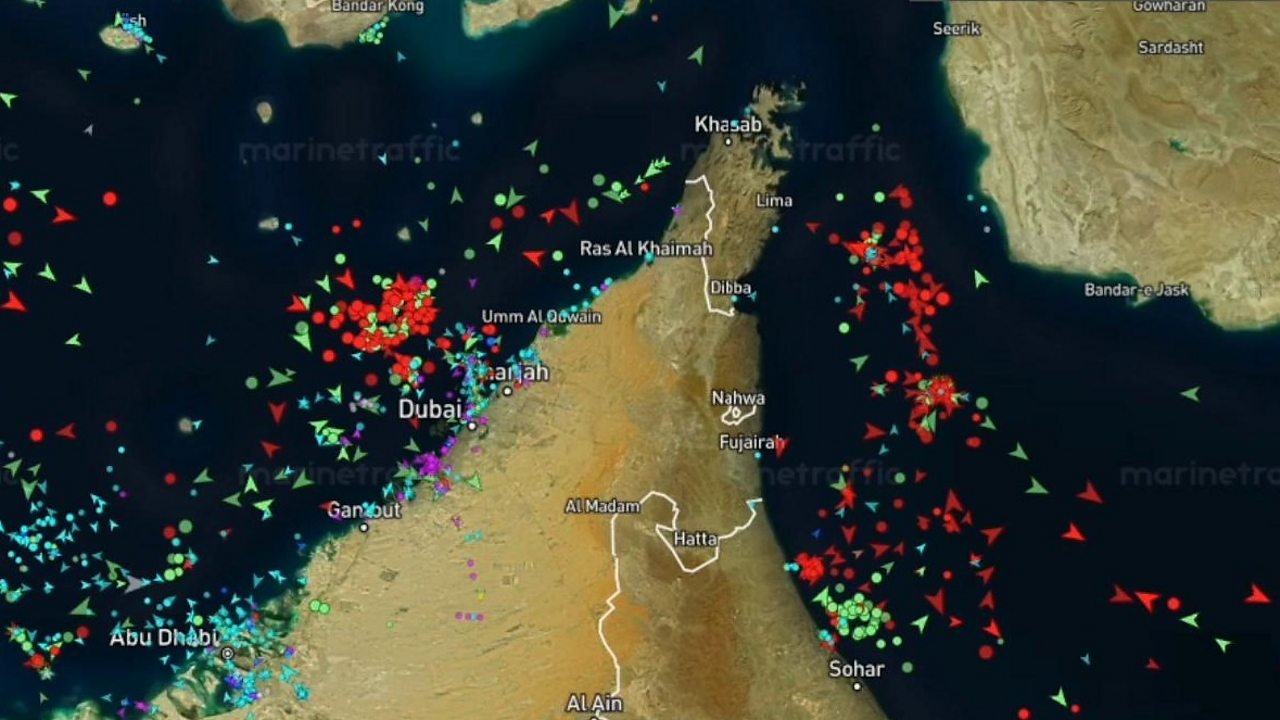
0 ships transit Hormuz on any date by August 31?
$
Description
This market will resolve to “Yes” if IMF PortWatch publishes a daily number of transit calls (“Arrivals of Ships”) for the Strait of Hormuz equal to 0 for any date between June 26 and the specified date, 2026. Otherwise, this market will resolve to “No." Transit calls include container, dry bulk, roll-on/roll-off, general cargo, and tanker ships. Ships not reported by IMF PortWatch will not be considered. This market will resolve as soon as IMF PortWatch publishes a daily number of transit calls equal to 0, or once complete data has been published for the specified period without such a publication. If complete data for the specified period has not been published within 28 calendar days of the end of the specified period, this market will resolve based on data published up to that point. In case of obvious data integrity issues (i.e., erroneous data), the market may remain open until the end of the third calendar day (ET) after the date on which such data is first released to allow for corrections. Data integrity issues refer only to clerical or other similar errors in the underlying data, and do not include cases where IMF PortWatch differs from alternative sources. Revisions to previously published data points made within this market’s timeframe will be considered. However, they will not disqualify a previously published data point from qualifying except in the case of data integrity issues. The resolution source for this market will be IMF PortWatch, specifically the transit calls data published for the Strait of Hormuz at https://portwatch.imf.org/pages/cb5856222a5b4105adc6ee7e880a1730, both in the chart and through downloadable files.
Polymarket
This market will resolve to “Yes” if IMF PortWatch publishes a daily number of transit calls (“Arrivals of Ships”) for the Strait of Hormuz equal to 0 for any date between June 26 and the specified date, 2026. Otherwise, this market will resolve to “No." Transit calls include container, dry bulk, roll-on/roll-off, general cargo, and tanker ships. Ships not reported by IMF PortWatch will not be considered. This market will resolve as soon as IMF PortWatch publishes a daily number of transit calls equal to 0, or once complete data has been published for the specified period without such a publication. If complete data for the specified period has not been published within 28 calendar days of the end of the specified period, this market will resolve based on data published up to that point. In case of obvious data integrity issues (i.e., erroneous data), the market may remain open until the end of the third calendar day (ET) after the date on which such data is first released to allow for corrections. Data integrity issues refer only to clerical or other similar errors in the underlying data, and do not include cases where IMF PortWatch differs from alternative sources. Revisions to previously published data points made within this market’s timeframe will be considered. However, they will not disqualify a previously published data point from qualifying except in the case of data integrity issues. The resolution source for this market will be IMF PortWatch, specifically the transit calls data published for the Strait of Hormuz at https://portwatch.imf.org/pages/cb5856222a5b4105adc6ee7e880a1730, both in the chart and through downloadable files.
Frequently asked questions
Prediction market odds on this market often diverge from traditional analyst forecasts because traders incorporate real-time information, geopolitical risk premiums, and tail-event probabilities that institutional analysts may underweight. While analysts typically rely on historical shipping data and diplomatic statements, market participants price in sudden escalation scenarios and supply-chain hedging behavior. Comparing the implied probability here to published forecasts from energy economists and maritime security firms reveals whether traders are pricing in greater or lower disruption risk than the consensus view.
On Polymarket, traders set the odds through an automated market maker mechanism, where buying YES or NO shares moves the price based on the liquidity pool. On Polymarket, prices reflect that venue's order book, liquidity, and how traders price the outcome right now. The current implied probability reflects the last executed trade price, and wider bid-ask spreads indicate lower liquidity or higher uncertainty. As new information emerges—sanctions escalation, naval incidents, or diplomatic breakthroughs—traders adjust positions, shifting the price to reflect updated expectations about a complete Hormuz transit blockade.
This market resolves around Sep 30, 2026, with the outcome confirmed once the event is verifiable from credible public reporting. The resolution hinges on whether any commercial ships transit the Strait of Hormuz between now and that deadline. Traders holding YES shares profit if at least one vessel completes passage; NO holders win if the strait remains completely closed to shipping traffic throughout the period.
Major catalysts include military escalation or de-escalation in the Persian Gulf, new sanctions regimes, diplomatic breakthroughs, or direct attacks on shipping infrastructure. Tanker insurance premiums, port congestion reports, and OPEC production announcements also influence trader positioning. Unexpected naval incidents, political leadership changes, or international mediation efforts can trigger sharp repricing. Real-time shipping tracking data and geopolitical news flow will drive volatility as traders reassess the probability of a sustained blockade through the resolution date.

%20scale(0.82)%20translate(-12.5%20-12.5)'%3e%3cpath%20fill='%23000'%20fill-rule='evenodd'%20d='M9.619%2012.69h12.995a1.382%201.382%200%200%200%200-2.76h-3.932l5.298-5.405.032-.032L22.08%202.56h-5.255V1.38c0-.76-.619-1.38-1.38-1.38H9.81c-.76%200-1.38.62-1.38%201.38V11.5c0%20.657.534%201.19%201.19%201.19m12.995-2.186h-5.3l5.89-6.01-1.139-1.139-5.813%205.933V1.38a.806.806%200%200%200-.805-.806.806.806%200%200%200-.805.806v9.545c0%20.656.533%201.19%201.189%201.19h6.783a.806.806%200%200%200%200-1.612'%20clip-rule='evenodd'/%3e%3cpath%20fill='%23000'%20fill-rule='evenodd'%20d='M14.393%2011.31H1.398a1.382%201.382%200%200%200%200%202.76H5.33L.032%2019.476%200%2019.507l1.931%201.933h5.255v1.18c0%20.76.619%201.38%201.379%201.38h5.638c.76%200%201.38-.62%201.38-1.38V12.5c0-.657-.534-1.19-1.19-1.19m.293%2011.31a.8.8%200%200%201-.788.805.797.797%200%200%201-.787-.805v-7.904l-5.69%205.928-1.113-1.139%205.764-6.005H6.884a.797.797%200%200%201-.787-.806c0-.444.353-.806.787-.806h6.638c.642%200%201.164.534%201.164%201.19z'%20clip-rule='evenodd'/%3e%3c/g%3e%3c/svg%3e)