TOTAL VOLUME:
$150.1b
24H VOL:
$141,844,315
24H TRANSACTIONS:
2,859,322,643
OPEN INTEREST:
$1,733,993,399
484,032
Markets across
35,818
events
MATCHED EVENTS:
3,360
PLATFORM COVERAGE:
5
Polymarket:
38%
VS.
Kalshi:
62%
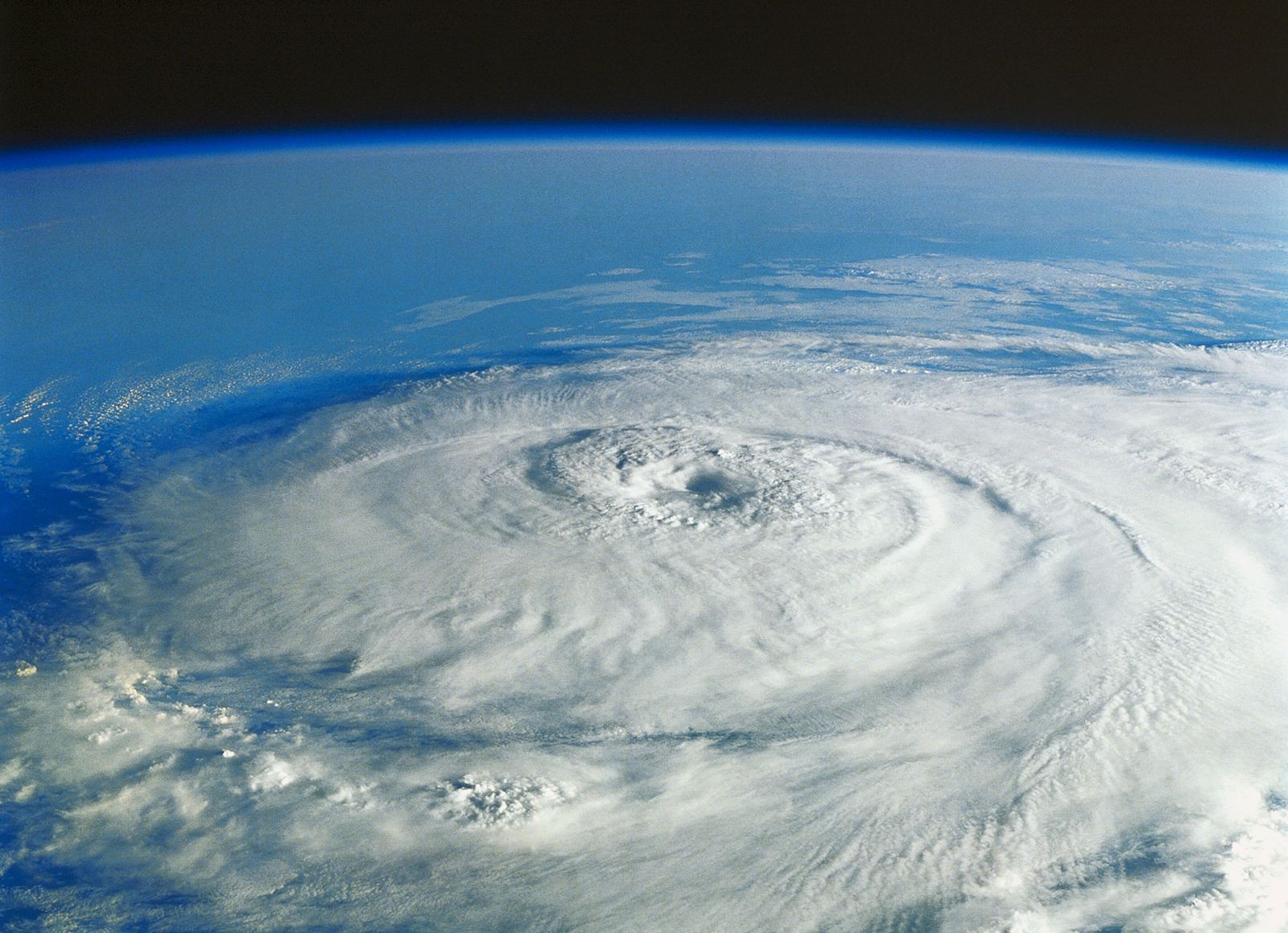

Natural Disaster in 2026?
- Polymarket
Natural Disaster in 2026? - Polymarket
1W
News
Positive
Negative
Neutral
Hover marker for details
Vol.
·
Resolves Feb 28, 2027
Latest in Climate and Weather

Natural Disaster in 2026?
$
Description
This market will resolve to “Yes” if any of the following conditions are met during 2026 ET: - A Category 5 hurricane makes landfall in the US - A major meteor strikes (10kt+) - A major volcano erupts (VEI ≥6) - An 8.5+ earthquake occurs Otherwise, this market will resolve to “No”. If required information from the specified sources remains outstanding, the market may stay open until February 28, 2027, 11:59 PM ET. The full rules for this market can be found here: https://polymarket-upload.s3.us-east-2.amazonaws.com/Natural+Disaster+in+2026.pdf
Polymarket
This market will resolve to “Yes” if any of the following conditions are met during 2026 ET: - A Category 5 hurricane makes landfall in the US - A major meteor strikes (10kt+) - A major volcano erupts (VEI ≥6) - An 8.5+ earthquake occurs Otherwise, this market will resolve to “No”. If required information from the specified sources remains outstanding, the market may stay open until February 28, 2027, 11:59 PM ET. The full rules for this market can be found here: https://polymarket-upload.s3.us-east-2.amazonaws.com/Natural+Disaster+in+2026.pdf
Frequently asked questions
Comparing the odds in this market to broader analyst forecasts reveals interesting insights. While many climate scientists predict an increasing frequency and intensity of natural disasters, quantifying the probability of *a* significant event within a specific year like 2026 is challenging. Current predictions from climate models often focus on long-term trends rather than short-term event probabilities. This market offers a unique, real-time assessment of risk based on the collective judgment of traders, which may differ from traditional, model-based forecasts. It’s important to note that this market reflects perceived risk, not necessarily a scientific prediction.
On Polymarket, this market is priced through a continuous auction mechanism where traders buy and sell shares representing their belief about whether a natural disaster will occur in 2026. The price of these shares directly reflects the implied probability of the event happening. On Polymarket, prices reflect that venue's order book, liquidity, and how traders price the outcome right now. As more traders participate and new information becomes available, the price adjusts to reflect the evolving consensus. The market’s price is determined solely by supply and demand within Polymarket, and is not influenced by external factors or predetermined values. The current implied probability is around 11.5%.
This market resolves around Mar 1, 2027, with the outcome confirmed once the event is verifiable from credible public reporting. The determination will focus on whether a natural disaster of significant scale—defined by factors like economic impact, casualties, and geographic scope—occurs at any point during the calendar year 2026. Resolution will rely on publicly available data from reputable sources such as governmental agencies and international organizations. The specifics of what constitutes a ‘significant’ natural disaster are defined within the market’s guidelines on Polymarket.
Several signals or events could significantly move this market. Major climate events occurring in the interim, such as unusually strong hurricane seasons or unprecedented heatwaves, could increase the perceived probability of a 2026 disaster. Conversely, advancements in disaster preparedness and mitigation technologies, or a period of relative climate stability, might lower it. Geopolitical events impacting resource allocation for disaster relief could also play a role. Furthermore, the release of significant reports from climate research institutions or governmental bodies could influence trader sentiment and, consequently, the market price.


