TOTAL VOLUME:
$150.1b
24H VOL:
$141,844,315
24H TRANSACTIONS:
2,859,322,643
OPEN INTEREST:
$1,733,993,399
484,032
Markets across
35,818
events
MATCHED EVENTS:
3,360
PLATFORM COVERAGE:
5
Polymarket:
38%
VS.
Kalshi:
62%

Category 1 or above
- Kalshi
Category 1 or above - Kalshi
1W
News
Positive
Negative
Neutral
Hover marker for details
Vol.
·
Resolves Dec 1, 2026
Latest in Climate and Weather

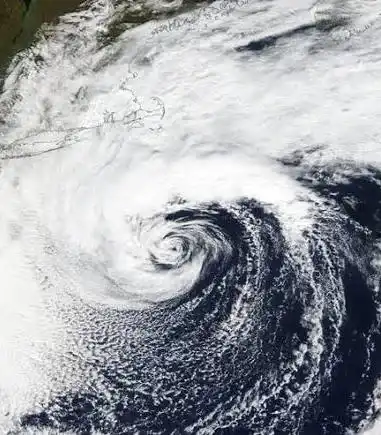
Will Hanna become a Category 1 hurricane?
$
Description
This event tracks the intensity of Hurricane Hanna based on its maximum sustained wind speeds as officially recorded by the NOAA's National Hurricane Center. The outcome depends on whether the storm reaches specific wind speed thresholds corresponding to different hurricane categories. All outcomes share a common expiration rule tied to the storm's occurrence date.
Kalshi
The event evaluates whether Hurricane Hanna achieves specified wind speed thresholds that classify it as a Category 1 or higher storm, with separate markets for Categories 2 through 5. Each market resolves to 'Yes' if Hanna's maximum sustained winds reach or exceed the corresponding threshold—74 mph for Category 1, 96 mph for Category 2, 111 mph for Category 3, 130 mph for Category 4, or 157 mph for Category 5—according to official NOAA National Hurricane Center data. Regardless of category, all markets expire at 10:00 AM ET on the first business day following the date when the storm reaches the required intensity, provided this occurs before December 1, 2026. The structure allows participants to assess the likelihood of escalating storm severity against defined meteorological benchmarks.
Frequently asked questions
Currently, odds from this market reflect a different outlook than many analyst forecasts. While analysts may lean toward certain projections based on models and historical data, traders are assigning 1.0% probability to the leading outcome. This divergence provides a unique perspective, highlighting where public betting sentiment differs from expert predictions.
On Kalshi, prices reflect that venue's order book, liquidity, and how traders price the outcome right now. On Kalshi, traders collectively set the odds through buying and selling contracts that represent different hurricane categories. The current implied probability reflects the market’s collective view of how intense Hurricane Hanna will become. Price fluctuations happen as new official forecasts, weather model updates, or real-time observations influence trader behavior, adjusting the expected category outcome.
This market resolves around Dec 1, 2026, with the outcome confirmed once the event is verifiable from credible public reporting. The final category will be determined by official meteorological assessments and widely reported data, closing the market once the facts are beyond dispute.
Several signals could shift this market before Dec 1, 2026. Updates from official hurricane tracking agencies, such as changes in wind speed estimates or forecast paths, will heavily influence trader sentiment. Sudden intensification or weakening of the storm, as reported by meteorological services, could cause rapid price swings. Additionally, broader climate patterns or anomalies that affect storm development may also move expectations.


