TOTAL VOLUME:
$150.1b
24H VOL:
$141,844,315
24H TRANSACTIONS:
2,859,322,643
OPEN INTEREST:
$1,733,993,399
484,032
Markets across
35,818
events
MATCHED EVENTS:
3,360
PLATFORM COVERAGE:
5
Polymarket:
38%
VS.
Kalshi:
62%

Before 2030
- Kalshi
Before 2030 - Kalshi
1W
News
Positive
Negative
Neutral
Hover marker for details
Vol.
·
Resolves Jan 1, 2030
Latest in Climate and Weather

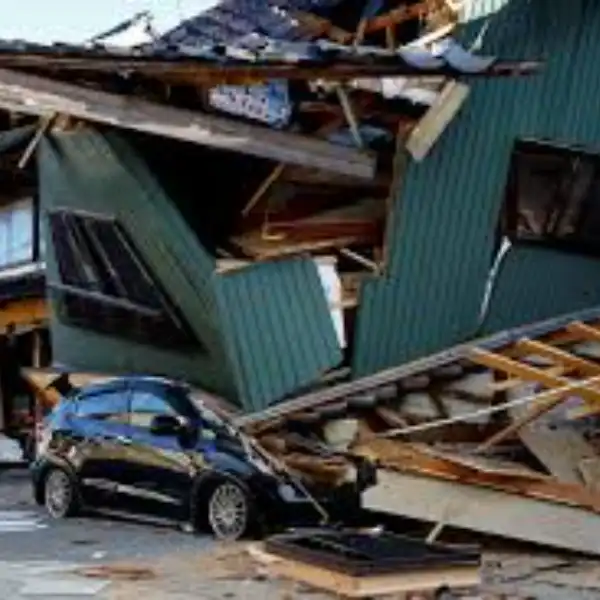
Will there be an at least 8.0 magnitude earthquake in Japan before 2030?
$
Description
An earthquake with a magnitude of at least 8.0 will occur with its epicenter in Japan or its territorial waters before January 1, 2030.
Kalshi
If there is at least an earthquake of 8.0 magnitude with an epicenter in Japan or its territorial waters before Jan 1, 2030, then the market resolves to Yes.
Frequently asked questions
Currently, prediction market participants assign a 33.0% chance to the occurrence of an 8.0 magnitude earthquake in Japan before Jan 1, 2030. This contrasts with typical analyst forecasts, which often rely on historical data and geological models. While these models provide valuable insights, they may not fully capture the dynamic factors influencing earthquake probability. It’s important to note that prediction markets reflect a collective assessment of all available information, including expert opinions, real-time data, and even subjective interpretations, offering a potentially different perspective than traditional forecasting methods.
On Kalshi, this market is priced using a continuous double auction, meaning traders buy and sell contracts representing the potential earthquake. The price of a contract reflects the market’s collective belief about the probability of the event occurring. As more traders participate, the price adjusts to reflect new information and changing sentiment. On Kalshi, prices reflect that venue's order book, liquidity, and how traders price the outcome right now. The current price indicates what a trader would need to pay to own a contract that pays out if an 8.0 magnitude or greater earthquake strikes Japan before the resolution date.
This market resolves around Jan 1, 2030, with the outcome confirmed once the event is verifiable from credible public reporting. Specifically, the resolution will depend on whether a magnitude 8.0 or greater earthquake is officially recorded by a recognized seismological authority as having occurred in Japan before the specified date. The outcome will be determined based on publicly available data and established earthquake measurement standards, ensuring a transparent and objective resolution process.
Several factors could influence the price of this market. Increased seismic activity in Japan, such as a series of smaller earthquakes or unusual geological changes, would likely increase the probability assigned by traders. Conversely, reports from geological surveys indicating a period of reduced seismic stress could lower the perceived risk. Major scientific publications offering new insights into earthquake prediction or the specific tectonic conditions in Japan could also impact trading activity. Finally, significant news events related to disaster preparedness or government responses to earthquake risks could also shift market sentiment.


