TOTAL VOLUME:
$150.1b
24H VOL:
$142,857,652
24H TRANSACTIONS:
2,859,322,643
OPEN INTEREST:
$1,733,278,615
483,990
Markets across
35,811
events
MATCHED EVENTS:
3,349
PLATFORM COVERAGE:
5
Polymarket:
38%
VS.
Kalshi:
62%

Grants license
- Kalshi
Grants license - Kalshi
1W
News
Positive
Negative
Neutral
Hover marker for details
Vol.
·
Resolves Dec 31, 2026
Latest in Science and Technology
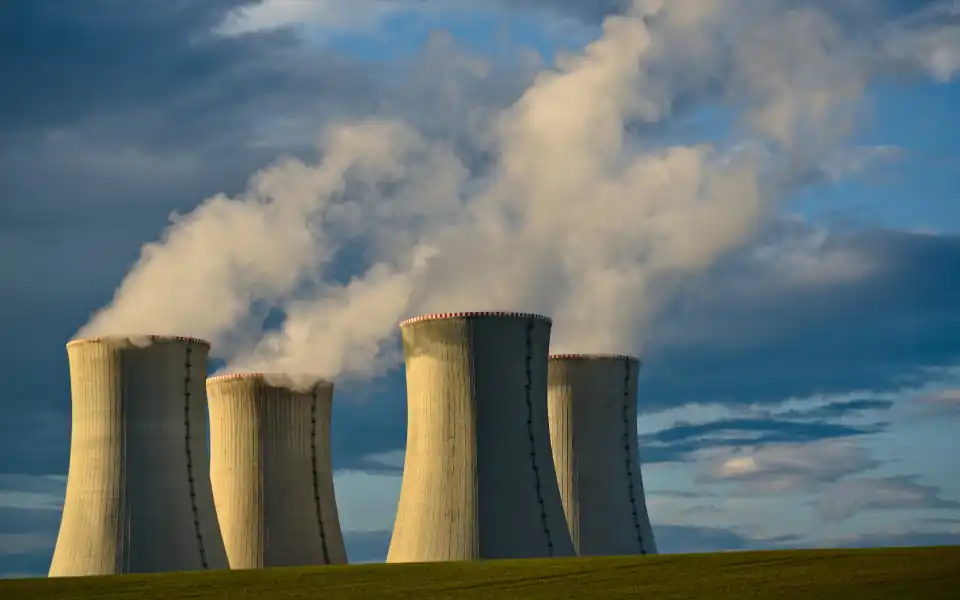
Will a new nuclear reactor be approved by Dec 31, 2026?
$
Description
The Nuclear Regulatory Commission issues approval for construction and operation of a new nuclear power facility. This event tracks whether such a license is granted during the specified period.
Kalshi
If the Nuclear Regulatory Commission has issued a new combined license authorizing the construction and operations of a new nuclear nuclear power facility, then the market resolves to Yes.
Frequently asked questions
Currently, prediction market participants assign a probability of 4.3% to the event of a new nuclear reactor being licensed before Dec 31, 2026. This differs from some analyst forecasts, which suggest a lower likelihood based on the historical pace of nuclear regulatory approvals and current political hurdles. However, the market incorporates a wider range of information and sentiment than traditional forecasts, including factors that may not be immediately apparent to analysts. It's important to note that this market reflects the collective judgment of traders, not a single expert opinion.
On Kalshi, this market is priced using a continuous double auction. Traders buy and sell contracts representing a 'Yes' or 'No' outcome, and the price of these contracts fluctuates based on supply and demand. As more traders believe a license will be granted, the price of the 'Yes' contract increases, and vice versa. On Kalshi, prices reflect that venue's order book, liquidity, and how traders price the outcome right now. The price reflects the market's assessment of the probability of the event occurring before the resolution date. The current price is determined solely by trader activity on Kalshi.
This market resolves around Dec 31, 2026, with the outcome confirmed once the event is verifiable from credible public reporting. Specifically, resolution will depend on whether the US Nuclear Regulatory Commission (NRC) publicly grants a license for a new nuclear reactor facility before the specified date. The determination will be based on official NRC announcements and documentation, ensuring a transparent and verifiable result. The market will then pay out to those who correctly predicted the outcome.
Several key events could significantly impact this market. Any major announcements from the US Nuclear Regulatory Commission (NRC) regarding the review of new reactor applications would be a primary driver. Positive developments, such as the NRC accelerating the approval process or issuing favorable environmental impact statements, would likely increase the price of 'Yes' contracts. Conversely, delays, safety concerns, or political opposition could push prices down. Broader policy changes related to nuclear energy, or significant technological breakthroughs in reactor design, could also influence trading activity in this market.


