TOTAL VOLUME:
$114.5b
24H VOL:
$149,897,520
24H TRANSACTIONS:
1,380,975,298
OPEN INTEREST:
$1,214,596,905
340,805
Markets across
34,373
events
MATCHED EVENTS:
4,679
PLATFORM COVERAGE:
5
Polymarket:
42%
VS.
Kalshi:
58%

Before Jan 1, 2028
- Kalshi
Before Jan 1, 2028 - Kalshi
1W
News
Positive
Negative
Neutral
Hover marker for details
Vol.
·
Resolves Jan 1, 2027
Latest in Politics







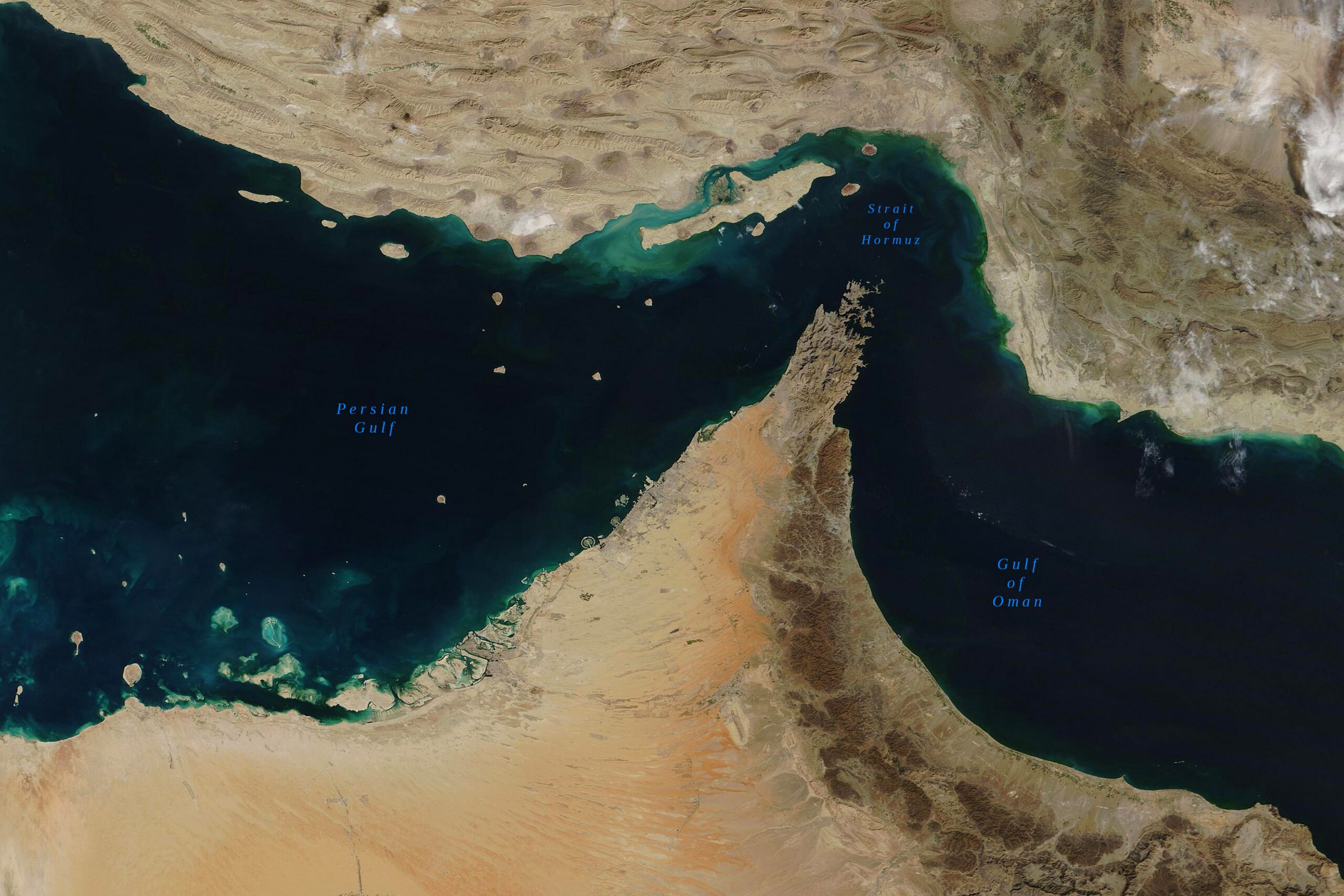
Will the 7-day moving average of transit calls through the Strait of Hormuz as reported by the IMF PortWatch be above 60 before January 1, 2028?
$

Strait of Hormuz traffic returns to normal by July 31?
Description
This market will resolve to “Yes” if IMF Portwatch publishes a 7-day moving average of transit calls (“Arrivals of Ships”) for the Strait of Hormuz equal to or above 60 for any date between market creation and July 31, 2026. Otherwise, this market will resolve to “No”. Daily transit calls include container, dry bulk, roll-on/roll-off, general cargo, and tanker ships. Ships not reported by IMF Portwatch will not be considered. This market will resolve as soon as IMF Portwatch publishes a 7-day moving average of transit calls equal to or above the specified level, or once data has been published for the final date in the specified period and no such value has been published. If no data has been published for the final date of the specified period within 14 calendar days (ET) after the end of that period, this market will resolve based on data published up to that point. Revisions to previously published data points made within this market’s timeframe will be considered. However, they will not disqualify a previously published data point from qualifying. Revisions to previously published data points after data is published for July 31, 2026, however, will not be considered. The resolution source for this market will be IMF Portwatch, specifically the transit calls data published for the Strait of Hormuz at https://portwatch.imf.org/pages/cb5856222a5b4105adc6ee7e880a1730, both in the chart and through downloadable files.
PredictionHero - Resolution Divergence Alerts (RDA)
Divergence Detected
Issue: Polymarket explicitly caps resolution at July 31, 2026, while Kalshi includes multiple resolution conditions extending through July 1, 2027. Both platforms use identical measurement criteria (IMF PortWatch 7-day moving average of transit calls >= 60) but differ in temporal scope.Hero tip: Treat these as two distinct markets with different expiration profiles. Polymarket resolves definitively by August 14, 2026 (14 days after July 31). Kalshi's extended conditions create ambiguity—clarify whether 2027 dates are intentional before trading. If both are active, Kalshi offers longer optionality but with unclear settlement mechanics.Critical divergence points:
- Polymarket: Explicit hard deadline of July 31, 2026. Resolves YES if 7-day moving average reaches 60 on any date through July 31, 2026. Resolves NO if no such data point exists by final publication date (within 14 days after July 31). Single, unambiguous resolution trigger. Key Quote: 'between market creation and July 31, 2026.'
- Kalshi: Contains 12 separate conditions, with earliest trigger at April 1, 2026 and latest at July 1, 2027. Conditions 1-10 align with Polymarket's July 31 window, but conditions 11-12 extend resolution to April 1, 2027 and July 1, 2027 respectively. Unclear if these are alternative markets or data errors. Key Quote: 'before July 1, 2027' (condition 12).
Polymarket
This market will resolve to “Yes” if IMF Portwatch publishes a 7-day moving average of transit calls (“Arrivals of Ships”) for the Strait of Hormuz equal to or above 60 for any date between market creation and July 31, 2026. Otherwise, this market will resolve to “No”. Daily transit calls include container, dry bulk, roll-on/roll-off, general cargo, and tanker ships. Ships not reported by IMF Portwatch will not be considered. This market will resolve as soon as IMF Portwatch publishes a 7-day moving average of transit calls equal to or above the specified level, or once data has been published for the final date in the specified period and no such value has been published. If no data has been published for the final date of the specified period within 14 calendar days (ET) after the end of that period, this market will resolve based on data published up to that point. Revisions to previously published data points made within this market’s timeframe will be considered. However, they will not disqualify a previously published data point from qualifying. Revisions to previously published data points after data is published for July 31, 2026, however, will not be considered. In case of obvious data integrity issues (i.e., erroneous data), the market may remain open until the end of the third calendar day (ET) after the date on which such data is first released to allow for corrections. Data integrity issues refer only to clerical or other similar errors in the underlying data, and do not include cases where IMF Portwatch differs from alternative sources. The resolution source for this market will be IMF Portwatch, specifically the transit calls data published for the Strait of Hormuz at https://portwatch.imf.org/pages/cb5856222a5b4105adc6ee7e880a1730, both in the chart and through downloadable files.
Kalshi
Resolution is based on when the 7-day moving average of transit calls through the Strait of Hormuz, as reported by IMF PortWatch, exceeds 60. Each outcome represents a different target date, with the market resolving to Yes if the threshold is reached before that date. Earlier dates represent faster recovery to normal traffic levels. Once the 7-day moving average reaches above 60 before a given deadline, that outcome and all subsequent later-dated outcomes will resolve to Yes.
Frequently asked questions
Prediction markets differ fundamentally from polling: they aggregate financial incentives rather than survey responses, meaning traders who forecast incorrectly lose money. This market reflects the collective judgment of participants with real capital at stake, not opinion snapshots. Geopolitical events like Strait disruptions are difficult to poll directly, so prediction markets serve as a more dynamic price discovery mechanism. Odds here shift rapidly as new shipping data, sanctions developments, or diplomatic news emerge, capturing forward-looking expectations that traditional surveys cannot match in real time.
Polymarket currently favors Strait of Hormuz traffic returns to normal by July 31? at 0.1%, while Kalshi leans toward Will the 7-day moving average of transit calls through the Strait of Hormuz as reported by the IMF PortWatch be above 60 before January 1, 2028? at 80.0%. Polymarket and Kalshi can show different implied probabilities for the same outcome because of liquidity, fee structure, participant mix, and how each venue defines the contract. Differences arise because each platform attracts distinct trader bases, uses slightly different outcome definitions, and may weight recent shipping reports or geopolitical signals differently. Liquidity distribution also varies: deeper order books on one venue can stabilize prices, while thinner markets on another may see sharper swings from large trades. Arbitrage traders often exploit these gaps, gradually narrowing spreads over time.
This market resolves around Jan 1, 2027, with the outcome confirmed once shipping traffic data through the Strait is verifiable from credible public sources. The resolution hinges on whether transit volumes meet the threshold for normalization by the deadline. Traders monitor maritime reports, vessel counts, and official shipping indices leading up to settlement. Once the resolution date passes, the outcome is locked in based on the most recent verified data, and winning positions are paid out according to each platform's rules.
Major catalysts include new sanctions or diplomatic breakthroughs affecting regional stability, attacks or incidents disrupting shipping, OPEC production decisions, and monthly maritime traffic reports from international shipping authorities. Geopolitical escalation in the Middle East could spike uncertainty and drive odds lower, while peace agreements or de-escalation would likely boost normalization odds. Energy price swings and global recession fears also influence trader expectations about demand for transit through the Strait. Real-time vessel tracking data and insurance premium changes serve as leading indicators that often precede large market moves.
%20scale(0.82)%20translate(-12.5%20-12.5)'%3e%3cpath%20fill='%23000'%20fill-rule='evenodd'%20d='M9.619%2012.69h12.995a1.382%201.382%200%200%200%200-2.76h-3.932l5.298-5.405.032-.032L22.08%202.56h-5.255V1.38c0-.76-.619-1.38-1.38-1.38H9.81c-.76%200-1.38.62-1.38%201.38V11.5c0%20.657.534%201.19%201.19%201.19m12.995-2.186h-5.3l5.89-6.01-1.139-1.139-5.813%205.933V1.38a.806.806%200%200%200-.805-.806.806.806%200%200%200-.805.806v9.545c0%20.656.533%201.19%201.189%201.19h6.783a.806.806%200%200%200%200-1.612'%20clip-rule='evenodd'/%3e%3cpath%20fill='%23000'%20fill-rule='evenodd'%20d='M14.393%2011.31H1.398a1.382%201.382%200%200%200%200%202.76H5.33L.032%2019.476%200%2019.507l1.931%201.933h5.255v1.18c0%20.76.619%201.38%201.379%201.38h5.638c.76%200%201.38-.62%201.38-1.38V12.5c0-.657-.534-1.19-1.19-1.19m.293%2011.31a.8.8%200%200%201-.788.805.797.797%200%200%201-.787-.805v-7.904l-5.69%205.928-1.113-1.139%205.764-6.005H6.884a.797.797%200%200%201-.787-.806c0-.444.353-.806.787-.806h6.638c.642%200%201.164.534%201.164%201.19z'%20clip-rule='evenodd'/%3e%3c/g%3e%3c/svg%3e)