TOTAL VOLUME:
$114.5b
24H VOL:
$149,897,520
24H TRANSACTIONS:
1,380,975,298
OPEN INTEREST:
$1,214,596,905
340,805
Markets across
34,373
events
MATCHED EVENTS:
4,679
PLATFORM COVERAGE:
5
Polymarket:
42%
VS.
Kalshi:
58%

March 31, 2027
- Polymarket
March 31, 2027 - Polymarket
1W
News
Positive
Negative
Neutral
Hover marker for details
Vol.
·
Resolves Apr 1, 2027
Latest in Politics







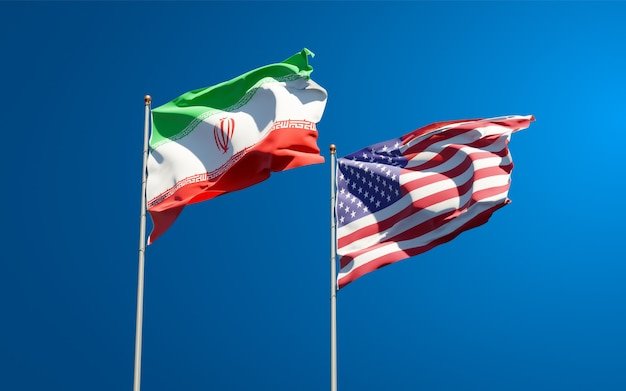
US x Iran diplomatic meeting by March 31, 2027?
$
Intro
This market tracks whether the next formal senior-level round of U.S.-Iran peace talks will begin by August 31, 2026. On Polymarket, the leading outcome—a diplomatic meeting by that date—stands at 57.0%, while a meeting by July 31, 2026 is priced at 23.5%. Resolution will be determined by official government statements and credible media consensus confirming an in-person senior-level diplomatic round involving authorized representatives from both nations. Watch for announcements of scheduled talks or mediator statements regarding the timing of the next formal negotiating round, as the August 31, 2026 deadline approaches.
Polymarket
On June 22, the first round of U.S.-Iran diplomatic talks in Switzerland concluded, with mediators reporting progress toward a roadmap for a final deal and follow-on technical talks expected to continue.(see: https://www.aljazeera.com/news/2026/6/22/us-iran-agree-on-roadmap-towards-final-deal-in-switzerland-talks). This market will resolve to “Yes” if the next formal senior-level round of peace talks between representatives of the United States and Iran begins by the listed date, 11:59 PM ET. Otherwise, this market will resolve to “No.” A qualifying round must be a deliberate in-person diplomatic meeting or negotiating round concerning US-Iran relations, involving senior representatives of both the United States and Iran who are acting in an official capacity and are authorized to conduct or materially direct diplomacy on behalf of their governments. Indirect in-person diplomacy through designated mediators, facilitators, or interlocutors will qualify, provided senior representatives of both the United States and Iran are participating in the same formal diplomatic process with the knowledge and authorization of their respective governments. The representatives need not be in the same room at the same time. Follow-on technical talks from the June 22 Switzerland round will not qualify by themselves. Technical, staff-level, working-group, implementation, monitoring, preparatory, or deconfliction meetings will not qualify unless they occur as part of a new formally convened senior-level U.S.-Iran peace-talks round. Brief greetings, chance encounters, photo opportunities, ceremonial appearances, or talks not deliberately aimed at diplomacy or negotiation will not count. The meeting must be in-person (including indirect in-person meetings) and must be publicly acknowledged by either government or reported by a consensus of credible media. Remote meetings, phone calls, or other meetings where the relevant parties are not present will not count. The resolution sources for this market will be official information from the governments of the United States and Iran, and a consensus of credible reporting.
Frequently asked questions
Prediction market odds and traditional polling measure different things: polls capture public opinion at a single moment, while this market reflects traders' probabilistic forecasts of a discrete future event. Markets often incorporate geopolitical intelligence, diplomatic signals, and real-time news faster than polls update. Comparing the two reveals whether the crowd expects diplomatic momentum to accelerate or stall relative to what the public believes. Traders with domain expertise in Middle East affairs may price in scenarios polls miss, making market odds a complementary signal to conventional surveys.
On Polymarket, traders set prices by buying and selling binary outcome shares, with each share worth $0.00 to $1.00 depending on perceived probability. On Polymarket, prices reflect that venue's order book, liquidity, and how traders price the outcome right now. The market price at any moment reflects the collective judgment of all active traders; higher prices indicate stronger confidence that talks will occur by a given date, while lower prices suggest skepticism. Liquidity and trading volume influence how quickly prices adjust to new information, and wide bid-ask spreads may indicate uncertainty or low participation around specific outcomes.
This market resolves around Apr 1, 2027, with the outcome confirmed once the event is verifiable from credible public reporting. Resolution hinges on whether a new round of US-Iran peace talks has been formally announced or commenced by that deadline. Official statements from government representatives, diplomatic channels, or established news outlets will determine whether the condition is met. Ambiguous or unconfirmed reports typically do not trigger resolution; only clear, documented evidence of talks counts.
Major catalysts include statements from US or Iranian officials signaling willingness to negotiate, UN-brokered diplomatic initiatives, regional security developments, and shifts in domestic politics within either country. Economic sanctions announcements, proxy conflicts, or nuclear program developments can shift trader expectations about negotiation likelihood. Media reports of back-channel talks, third-party mediation efforts, or scheduled diplomatic meetings typically spike trading volume and repricing. Election cycles, leadership changes, and international pressure from allies also influence perceived probability of renewed talks before the deadline.

%20scale(0.82)%20translate(-12.5%20-12.5)'%3e%3cpath%20fill='%23000'%20fill-rule='evenodd'%20d='M9.619%2012.69h12.995a1.382%201.382%200%200%200%200-2.76h-3.932l5.298-5.405.032-.032L22.08%202.56h-5.255V1.38c0-.76-.619-1.38-1.38-1.38H9.81c-.76%200-1.38.62-1.38%201.38V11.5c0%20.657.534%201.19%201.19%201.19m12.995-2.186h-5.3l5.89-6.01-1.139-1.139-5.813%205.933V1.38a.806.806%200%200%200-.805-.806.806.806%200%200%200-.805.806v9.545c0%20.656.533%201.19%201.189%201.19h6.783a.806.806%200%200%200%200-1.612'%20clip-rule='evenodd'/%3e%3cpath%20fill='%23000'%20fill-rule='evenodd'%20d='M14.393%2011.31H1.398a1.382%201.382%200%200%200%200%202.76H5.33L.032%2019.476%200%2019.507l1.931%201.933h5.255v1.18c0%20.76.619%201.38%201.379%201.38h5.638c.76%200%201.38-.62%201.38-1.38V12.5c0-.657-.534-1.19-1.19-1.19m.293%2011.31a.8.8%200%200%201-.788.805.797.797%200%200%201-.787-.805v-7.904l-5.69%205.928-1.113-1.139%205.764-6.005H6.884a.797.797%200%200%201-.787-.806c0-.444.353-.806.787-.806h6.638c.642%200%201.164.534%201.164%201.19z'%20clip-rule='evenodd'/%3e%3c/g%3e%3c/svg%3e)