TOTAL VOLUME:
$150.1b
24H VOL:
$142,857,652
24H TRANSACTIONS:
2,859,322,643
OPEN INTEREST:
$1,733,278,615
483,990
Markets across
35,811
events
MATCHED EVENTS:
3,349
PLATFORM COVERAGE:
5
Polymarket:
38%
VS.
Kalshi:
62%
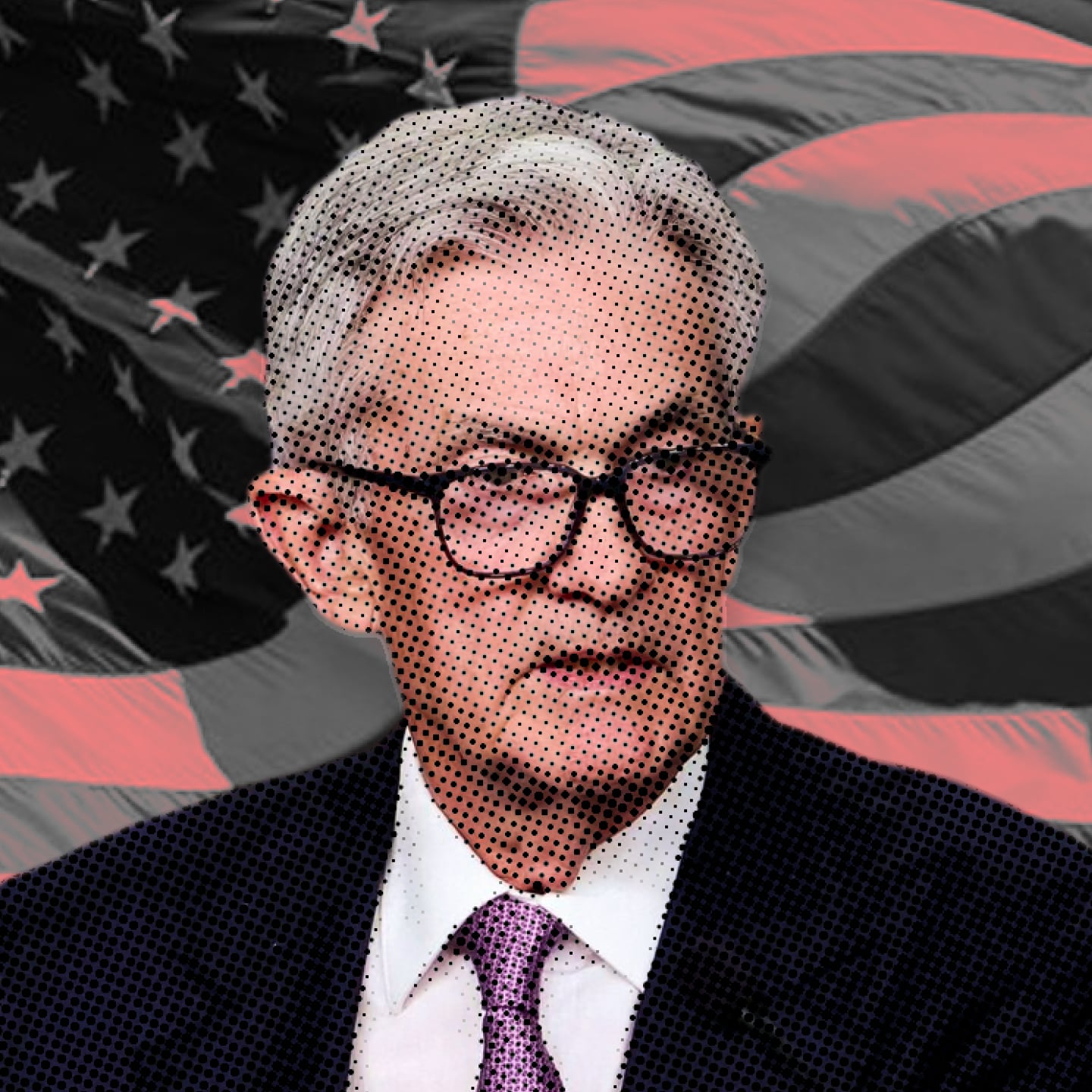

Will no Fed rate cuts happen in 2026?
$
Description
This market will resolve according to the exact amount of cuts of 25 basis points in 2026 by the Fed (including any cuts made during the December meeting). Emergency rate cuts outside of scheduled FOMC meetings will also count toward the total number of cuts in 2026. This market will remain open until December 31, 2026, 11:59 PM ET, to account for any such emergency actions. For example, if the Fed cuts rates by 50 bps after a meeting, it would be considered 2 cuts (of 25 bps each). This market will resolve early to "No" if the specified number of cuts becomes impossible — i.e., if more cuts have already occurred than the strike in question. Note that cuts between 1–24 bps (inclusive) will also be considered 1 rate cut. The resolution source for this market will be FOMC statements after meetings scheduled in 2026 according to the official calendar: https://www.federalreserve.gov/monetarypolicy/fomccalendars.htm. The level and change of the target federal funds rate is also published at the official website of the Federal Reserve at https://www.federalreserve.gov/monetarypolicy/openmarket.htm.
Predict
This market will resolve according to the exact amount of cuts of 25 basis points in 2026 by the Fed (including any cuts made during the December meeting). Emergency rate cuts outside of scheduled FOMC meetings will also count toward the total number of cuts in 2026. This market will remain open until December 31, 2026, 11:59 PM ET, to account for any such emergency actions. For example, if the Fed cuts rates by 50 bps after a meeting, it would be considered 2 cuts (of 25 bps each). This market will resolve early to "No" if the specified number of cuts becomes impossible — i.e., if more cuts have already occurred than the strike in question. Note that cuts between 1–24 bps (inclusive) will also be considered 1 rate cut. The resolution source for this market will be FOMC statements after meetings scheduled in 2026 according to the official calendar: https://www.federalreserve.gov/monetarypolicy/fomccalendars.htm. The level and change of the target federal funds rate is also published at the official website of the Federal Reserve at https://www.federalreserve.gov/monetarypolicy/openmarket.htm.
Frequently asked questions
Currently, prediction market traders indicate a high probability of no Fed rate cuts in 2026. This contrasts with recent polls of economists and financial analysts, which show a wider range of expectations, with some anticipating at least one or two cuts depending on inflation and employment data. While polls reflect expert opinions, this market represents a collective forecast based on individuals putting their money where their mouths are. It’s important to note that prediction markets often provide a more accurate forecast than traditional polls, as traders have a financial incentive to be correct.
On Predict, this market is priced using a continuous double auction, meaning traders can buy and sell contracts representing their beliefs about the number of Fed rate cuts in 2026. The price of each contract reflects the implied probability of that outcome. On Predict, prices reflect that venue's order book, liquidity, and how traders price the outcome right now. As more traders participate, the prices adjust to reflect the collective wisdom of the crowd. Currently, the most likely outcome, according to traders on Predict, is no rate cuts at all, with a probability of 96.1%.
This market resolves around Jan 1, 2027, with the outcome confirmed once the actual number of Federal Reserve interest rate cuts in 2026 is verifiable from credible public reporting. The resolution will be based on official announcements from the Federal Open Market Committee (FOMC) regarding changes to the federal funds rate throughout the calendar year 2026. The market will settle to 100% for the outcome that accurately reflects the total number of rate cuts implemented by the Fed during that period.
Several key economic indicators and events could significantly impact this market. Unexpected changes in inflation data, particularly the Consumer Price Index (CPI) and Personal Consumption Expenditures (PCE), would likely cause traders to reassess their expectations. Strong or weak employment reports, shifts in GDP growth, and geopolitical events could also influence the market. Furthermore, statements from Federal Reserve officials regarding future monetary policy, such as speeches or FOMC meeting minutes, will be closely watched by traders and could lead to substantial price movements.


%20scale(0.82)%20translate(-12.5%20-12.5)'%3e%3cpath%20fill='%23000'%20fill-rule='evenodd'%20d='M9.619%2012.69h12.995a1.382%201.382%200%200%200%200-2.76h-3.932l5.298-5.405.032-.032L22.08%202.56h-5.255V1.38c0-.76-.619-1.38-1.38-1.38H9.81c-.76%200-1.38.62-1.38%201.38V11.5c0%20.657.534%201.19%201.19%201.19m12.995-2.186h-5.3l5.89-6.01-1.139-1.139-5.813%205.933V1.38a.806.806%200%200%200-.805-.806.806.806%200%200%200-.805.806v9.545c0%20.656.533%201.19%201.189%201.19h6.783a.806.806%200%200%200%200-1.612'%20clip-rule='evenodd'/%3e%3cpath%20fill='%23000'%20fill-rule='evenodd'%20d='M14.393%2011.31H1.398a1.382%201.382%200%200%200%200%202.76H5.33L.032%2019.476%200%2019.507l1.931%201.933h5.255v1.18c0%20.76.619%201.38%201.379%201.38h5.638c.76%200%201.38-.62%201.38-1.38V12.5c0-.657-.534-1.19-1.19-1.19m.293%2011.31a.8.8%200%200%201-.788.805.797.797%200%200%201-.787-.805v-7.904l-5.69%205.928-1.113-1.139%205.764-6.005H6.884a.797.797%200%200%201-.787-.806c0-.444.353-.806.787-.806h6.638c.642%200%201.164.534%201.164%201.19z'%20clip-rule='evenodd'/%3e%3c/g%3e%3c/svg%3e)