TOTAL VOLUME:
$150.1b
24H VOL:
$141,844,315
24H TRANSACTIONS:
2,859,322,643
OPEN INTEREST:
$1,733,993,399
484,032
Markets across
35,818
events
MATCHED EVENTS:
3,360
PLATFORM COVERAGE:
5
Polymarket:
38%
VS.
Kalshi:
62%

8
- Polymarket
8 - Polymarket
1W
News
Positive
Negative
Neutral
Hover marker for details
Vol.
·
Resolves Dec 31, 2026
Latest in Politics




Will the US strike 8 countries in 2026?
$
Intro
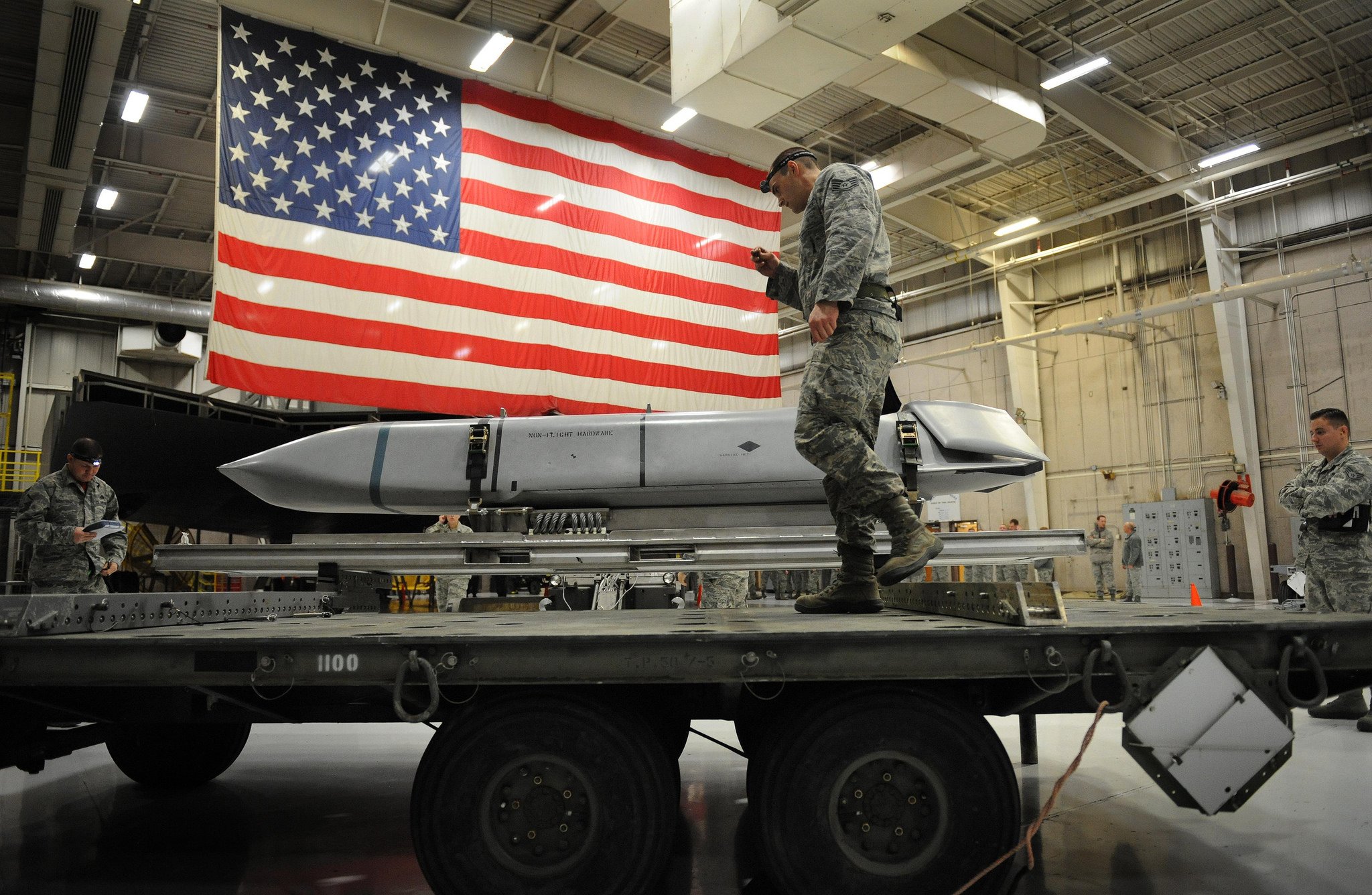
This market tracks how many different countries the United States will conduct military action against in 2026, specifically defining qualifying strikes as those using aerial bombs, drones, or missiles. Currently, Polymarket gives a 63.9% probability to the US striking 8 countries during that period, while the second most likely outcome, a strike against 9 countries, is at 31.1%. Resolution will be based on a consensus of credible reporting, as defined in the market rules. Traders should closely watch developments in US foreign policy leading up to December 31, 2026, as that marks the end of the event window for counting qualifying strikes.
Polymarket
This market will resolve according to the total number of different countries' soil that the United States initiates a drone, missile, or air strike on between January 1, 2026, 12:00 AM ET and December 31, 2026, 11:59 PM ET. Strikes on embassies or consulates will count towards the country the embassy or consulate is located in, not towards the country they represent. Strikes within the territory controlled by the United States as of December 31, 2025, 11:59 PM ET will not be counted towards this market's resolution. For the purposes of this market, a qualifying "strike" is defined as the use of aerial bombs, drones, or missiles (including cruise or ballistic missiles) launched by US military forces that impact another country's ground territory that is officially acknowledged by the US government or a consensus of credible reporting. Missiles or drones that are intercepted and surface-to-air missile strikes will not count towards the resolution of this market, regardless of whether they land on another country's territory or cause damage. Actions such as artillery fire, small arms fire, FPV or ATGM strikes directly, ground incursions, naval shelling, cyberattacks, or other operations conducted by US ground operatives will not qualify. The resolution source will be a consensus of credible reporting.
Frequently asked questions
Currently, prediction market odds suggest a higher probability of the US conducting military action in a greater number of countries than most public opinion polls indicate. While polls often capture general sentiment, this market reflects what traders are willing to put their money on, potentially incorporating more nuanced information and analysis. Discrepancies can arise from differing methodologies and the incentives of participants; poll respondents may offer their honest opinions, while traders in this market are incentivized to make accurate predictions. It's important to note that both represent different perspectives on the same underlying question.
This market resolves around Jan 1, 2027, with the outcome confirmed once the event is verifiable from credible public reporting. Resolution will be based on a count of distinct countries where the US military conducts officially acknowledged military action during the calendar year 2026. This includes actions such as airstrikes, ground operations, or naval engagements. The outcome will be determined by assessing information from reputable news sources, government statements, and other publicly available data to establish a definitive record of US military interventions.
Several signals or events could significantly impact this market. Escalations in existing geopolitical conflicts, such as those in Eastern Europe or the Middle East, could increase the likelihood of US military involvement. Unexpected crises or humanitarian interventions could also prompt action. Major shifts in US foreign policy, particularly regarding interventionism, would be a key driver. Domestic political developments, such as a change in administration or public opinion, could also influence the perceived willingness of the US to engage in military action. Any significant international incident is likely to move this market.

%20scale(0.82)%20translate(-12.5%20-12.5)'%3e%3cpath%20fill='%23000'%20fill-rule='evenodd'%20d='M9.619%2012.69h12.995a1.382%201.382%200%200%200%200-2.76h-3.932l5.298-5.405.032-.032L22.08%202.56h-5.255V1.38c0-.76-.619-1.38-1.38-1.38H9.81c-.76%200-1.38.62-1.38%201.38V11.5c0%20.657.534%201.19%201.19%201.19m12.995-2.186h-5.3l5.89-6.01-1.139-1.139-5.813%205.933V1.38a.806.806%200%200%200-.805-.806.806.806%200%200%200-.805.806v9.545c0%20.656.533%201.19%201.189%201.19h6.783a.806.806%200%200%200%200-1.612'%20clip-rule='evenodd'/%3e%3cpath%20fill='%23000'%20fill-rule='evenodd'%20d='M14.393%2011.31H1.398a1.382%201.382%200%200%200%200%202.76H5.33L.032%2019.476%200%2019.507l1.931%201.933h5.255v1.18c0%20.76.619%201.38%201.379%201.38h5.638c.76%200%201.38-.62%201.38-1.38V12.5c0-.657-.534-1.19-1.19-1.19m.293%2011.31a.8.8%200%200%201-.788.805.797.797%200%200%201-.787-.805v-7.904l-5.69%205.928-1.113-1.139%205.764-6.005H6.884a.797.797%200%200%201-.787-.806c0-.444.353-.806.787-.806h6.638c.642%200%201.164.534%201.164%201.19z'%20clip-rule='evenodd'/%3e%3c/g%3e%3c/svg%3e)