TOTAL VOLUME:
$150.1b
24H VOL:
$142,857,652
24H TRANSACTIONS:
2,859,322,643
OPEN INTEREST:
$1,733,278,615
483,990
Markets across
35,811
events
MATCHED EVENTS:
3,349
PLATFORM COVERAGE:
5
Polymarket:
38%
VS.
Kalshi:
62%

Will there be between 14 and 16 earthquakes of magnitude 7.0 or higher worldwide in 2026?
$
Intro
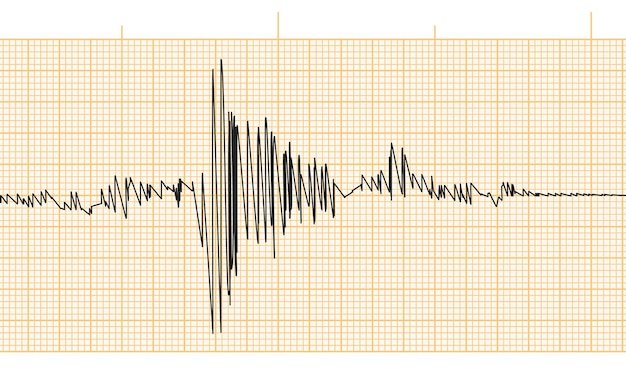
This market tracks whether there will be between 14 and 16 earthquakes of magnitude 7.0 or higher worldwide in 2026. Currently, Polymarket gives this outcome a 64.0% probability, while the second most likely outcome – between 17 and 19 earthquakes – is priced at 21.5%. Resolution will be based on data from the United States Geological Survey (USGS) Earthquake Hazards Program. Keep an eye on seismic activity as we approach December 31, 2026, 11:59 PM ET, as this date marks the end of the timeframe for earthquake counts used to resolve the market.
Polymarket
This market will resolve according to the total number of earthquakes with a magnitude of 7.0 or higher that occur anywhere on Earth between January 1 and December 31, 2026, 11:59 PM ET. The resolution source for this market is the United States Geological Survey (USGS) Earthquake Hazards Program (https://earthquake.usgs.gov/earthquakes/browse/significant.php#sigdef). If an earthquake of substantial size has occurred within this market's timeframe but not yet appeared on the resolution source, this market may remain open until January 7, 2027, 11:59 PM ET, or until the earthquake in question otherwise appears on the resolution source. If such an earthquake has not appeared on the resolution source by that date, another credible resolution source will be used.
Frequently asked questions
Comparing prediction market odds to analyst forecasts reveals interesting insights into collective intelligence. While expert seismologists provide estimates based on historical data and geological models, this market represents a broader aggregation of perspectives. Current forecasts from leading geological surveys suggest a continuing rate of major earthquakes similar to recent years, but predicting exact numbers remains challenging. The market’s current pricing reflects traders’ assessments of these factors, potentially incorporating information not fully captured in traditional analyses. It’s a fascinating comparison of expert opinion versus the wisdom of the crowd.
This market resolves around Jan 8, 2027, with the outcome confirmed once the event is verifiable from credible public reporting. The final earthquake count will be determined by data from established seismological agencies, specifically the number of earthquakes recorded with a magnitude of 7.0 or higher during the calendar year 2026. Data sources will be widely recognized and publicly available, ensuring transparency and accuracy in determining the final result. The resolution will be based on objective, verifiable data, not subjective interpretations.
Several signals or events could significantly move this market before its resolution. Major, unexpected earthquake activity in the early months of 2026 would likely increase trading volume and shift the odds towards a higher earthquake count. Conversely, a period of prolonged seismic quiet could lower expectations. New scientific research regarding earthquake prediction or fault line activity could also influence trader sentiment. Additionally, any updates from major geological surveys or changes in risk assessments could impact the market’s pricing, as traders react to evolving information.


