TOTAL VOLUME:
$114.5b
24H VOL:
$142,891,824
24H TRANSACTIONS:
1,380,975,298
OPEN INTEREST:
$1,211,057,904
339,560
Markets across
34,155
events
MATCHED EVENTS:
4,672
PLATFORM COVERAGE:
5
Polymarket:
42%
VS.
Kalshi:
58%


Republican party
- Kalshi
Republican party - Kalshi
1W
News
Positive
Negative
Neutral
Hover marker for details
Vol.
·
Resolves Nov 3, 2026
Latest in Politics






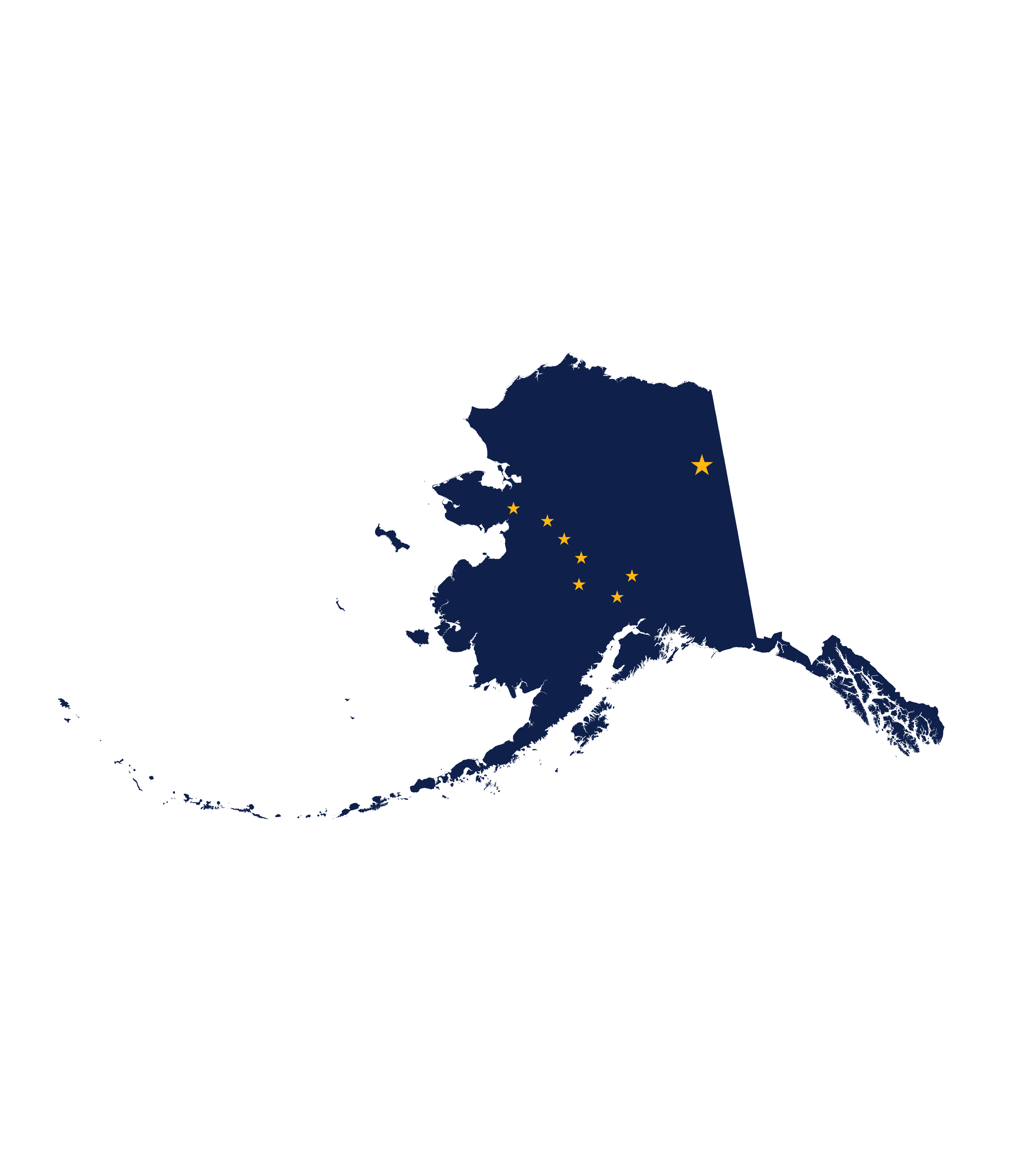
Will the Republican party win the governorship in Alaska
$
Intro
This market tracks which party will win Alaska's gubernatorial election on November 3, 2026. Aggregating data from Polymarket and Kalshi, the consensus probability shows Republicans at 58.0% to win the governorship, with Democrats at 37.0%. Resolution will be determined by the Associated Press, Fox News, and NBC once all three sources call the race for the same candidate, or by official state certification if needed. Watch for the election results on November 3, 2026, which will determine the final outcome.
PredictionHero - Resolution Divergence Alerts (RDA)
Divergence Detected
Issue: Polymarket uses individual candidate-specific markets with AP/Fox/NBC media call resolution, while Kalshi uses a party-affiliation binary structure. The platforms resolve on different criteria: Polymarket on who wins the election (individual), Kalshi on whether a Republican or Democrat is inaugurated (party).Hero tip: If you trade on Polymarket, you must pick a specific candidate and wait for media confirmation; on Kalshi, you only need to predict party control. Polymarket offers granular candidate bets but requires three-source consensus; Kalshi is simpler but offers no candidate-level granularity. Arbitrage risk exists if media calls diverge from official certification.Critical divergence points:
- Polymarket: Resolves YES for exactly one named candidate who wins the 2026 Alaska gubernatorial election. Resolution requires consensus from AP, Fox News, and NBC; if all three have not called the race by July 31, 2027, resolution falls back to official state certification. The market structure includes 41 separate binary outcomes (named candidates plus 'another candidate' and generic placeholder candidates A-Z).
- Kalshi: Resolves YES if a Republican or Democrat is inaugurated as governor following the 2026 election. No media call requirement; resolution is based on official inauguration of a party-affiliated representative. The market structure is party-based, not candidate-specific.
Polymarket
This market will resolve according to the candidate who wins the 2026 Alaska gubernatorial election currently scheduled for November 3, 2026. If the results of the election are not confirmed by July 31, 2027, this market will resolve to "Other". The resolution source for this market is the Associated Press, Fox News, and NBC. This market will resolve once all three sources call the race for the same candidate. If all three sources haven’t called the race in Alaska for the same candidate, this market will resolve based on official certification.
Kalshi
If a representative of the Republican party is inaugurated as the governor of Alaska pursuant to the 2026 election, then the market resolves to Yes. If a representative of the Democratic party is inaugurated as the governor of Alaska pursuant to the 2026 election, then the market resolves to Yes.
Frequently asked questions
Prediction markets incorporate polling data alongside other signals—fundraising, turnout models, and real-money trader conviction—to generate forward-looking probabilities. While traditional polls capture voter sentiment at a single moment, markets reflect dynamic expectations as new information arrives. For the 2026 Alaska governor race, comparing Polymarket and Kalshi odds to contemporaneous polls reveals whether traders are pricing in factors polls may lag on, such as campaign momentum or demographic shifts. Markets often diverge from polls weeks before elections, signaling where informed money sees asymmetric value.
Polymarket and Kalshi can show different implied probabilities for the same outcome because of liquidity, fee structure, participant mix, and how each venue defines the contract. Polymarket and Kalshi serve different trader bases, liquidity pools, and contract designs. Polymarket currently shows 35.5% for its top outcome, while Kalshi reflects 57.0%, a spread of 21.5 percentage points. Differences arise from varying user demographics, fee structures, market depth, and the specific wording of each platform's resolution criteria. Arbitrage traders exploit these gaps, but friction costs and settlement risk prevent instant convergence. Monitoring both venues helps you identify mispricings and understand which market segment—retail or institutional—is driving directional conviction.
The market resolves on Nov 3, 2026, following the official Alaska gubernatorial election. Resolution is determined by the candidate who receives the most votes and is certified as winner by Alaska election authorities. Markets may close or halt trading before election day to reduce settlement disputes. Check each platform's specific resolution timeline and any early-close policies, as they may differ. Once the official result is announced and verified, payouts are distributed according to each platform's settlement rules.
Key catalysts include candidate announcements, debate performances, campaign spending reports, and endorsements from major Alaska figures or national parties. Economic data—oil prices, unemployment, cost of living—shapes voter priorities in Alaska. Primary results and candidate dropout decisions narrow the field and shift probabilities. Polling releases, especially from high-quality firms, often trigger sharp repricing. Scandals, gaffes, or investigative reporting can rapidly alter trader expectations. Turnout models and early-vote patterns in the final weeks provide real-time signals. Monitor news, campaign filings, and betting volume spikes to anticipate market moves.
%20scale(0.82)%20translate(-12.5%20-12.5)'%3e%3cpath%20fill='%23000'%20fill-rule='evenodd'%20d='M9.619%2012.69h12.995a1.382%201.382%200%200%200%200-2.76h-3.932l5.298-5.405.032-.032L22.08%202.56h-5.255V1.38c0-.76-.619-1.38-1.38-1.38H9.81c-.76%200-1.38.62-1.38%201.38V11.5c0%20.657.534%201.19%201.19%201.19m12.995-2.186h-5.3l5.89-6.01-1.139-1.139-5.813%205.933V1.38a.806.806%200%200%200-.805-.806.806.806%200%200%200-.805.806v9.545c0%20.656.533%201.19%201.189%201.19h6.783a.806.806%200%200%200%200-1.612'%20clip-rule='evenodd'/%3e%3cpath%20fill='%23000'%20fill-rule='evenodd'%20d='M14.393%2011.31H1.398a1.382%201.382%200%200%200%200%202.76H5.33L.032%2019.476%200%2019.507l1.931%201.933h5.255v1.18c0%20.76.619%201.38%201.379%201.38h5.638c.76%200%201.38-.62%201.38-1.38V12.5c0-.657-.534-1.19-1.19-1.19m.293%2011.31a.8.8%200%200%201-.788.805.797.797%200%200%201-.787-.805v-7.904l-5.69%205.928-1.113-1.139%205.764-6.005H6.884a.797.797%200%200%201-.787-.806c0-.444.353-.806.787-.806h6.638c.642%200%201.164.534%201.164%201.19z'%20clip-rule='evenodd'/%3e%3c/g%3e%3c/svg%3e)