TOTAL VOLUME:
$114.5b
24H VOL:
$115,807,555
24H TRANSACTIONS:
1,362,287,844
OPEN INTEREST:
$1,188,566,556
336,771
Markets across
33,711
events
MATCHED EVENTS:
4,629
PLATFORM COVERAGE:
5
Polymarket:
42%
VS.
Kalshi:
58%
%20scale(0.82)%20translate(-12.5%20-12.5)'%3e%3cpath%20fill='%23000'%20fill-rule='evenodd'%20d='M9.619%2012.69h12.995a1.382%201.382%200%200%200%200-2.76h-3.932l5.298-5.405.032-.032L22.08%202.56h-5.255V1.38c0-.76-.619-1.38-1.38-1.38H9.81c-.76%200-1.38.62-1.38%201.38V11.5c0%20.657.534%201.19%201.19%201.19m12.995-2.186h-5.3l5.89-6.01-1.139-1.139-5.813%205.933V1.38a.806.806%200%200%200-.805-.806.806.806%200%200%200-.805.806v9.545c0%20.656.533%201.19%201.189%201.19h6.783a.806.806%200%200%200%200-1.612'%20clip-rule='evenodd'/%3e%3cpath%20fill='%23000'%20fill-rule='evenodd'%20d='M14.393%2011.31H1.398a1.382%201.382%200%200%200%200%202.76H5.33L.032%2019.476%200%2019.507l1.931%201.933h5.255v1.18c0%20.76.619%201.38%201.379%201.38h5.638c.76%200%201.38-.62%201.38-1.38V12.5c0-.657-.534-1.19-1.19-1.19m.293%2011.31a.8.8%200%200%201-.788.805.797.797%200%200%201-.787-.805v-7.904l-5.69%205.928-1.113-1.139%205.764-6.005H6.884a.797.797%200%200%201-.787-.806c0-.444.353-.806.787-.806h6.638c.642%200%201.164.534%201.164%201.19z'%20clip-rule='evenodd'/%3e%3c/g%3e%3c/svg%3e)



Dinorah Figuera
all
3 markets
Predict
Kalshi
Polymarket
consensus
News
Positive
Negative
Neutral
Hover marker for details
Vol.
·
Resolves Dec 31, 2026
Latest in Politics







Will Dinorah Figuera be the leader of Venezuela end of 2026?
$

Intro
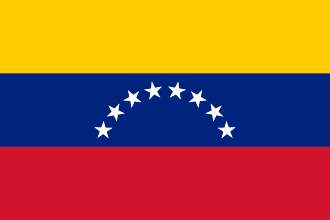
This market tracks who will formally hold the position of head of state of Venezuela on December 31, 2026. Across Kalshi and Polymarket, the consensus probability that Nicolás Maduro remains Venezuela's leader through end of 2026 stands at 80.1%, with Delcy Rodríguez at 20.0% as the second-most-likely outcome. Resolution will be determined by which individual is officially appointed, confirmed, and sworn in as head of state at the December 31, 2026 resolution timestamp. Watch for any major political developments or institutional changes in Venezuela leading up to the final day of 2026.
PredictionHero - Resolution Divergence Alerts (RDA)
Unified Resolution Criteria (Consistent across platforms)
All platforms use identical core criteria: official appointment, confirmation, and swearing-in by the UN-recognized Venezuelan government as of December 31, 2026, with UN listings as fallback when government information is unclear.Primary resolution logic: Official information from the UN-recognized government of Venezuela, with UN listings as secondary sourceCore resolution logic:
- The individual must be formally appointed, confirmed (if confirmation is required), and sworn in as head of state of Venezuela by December 31, 2026
- If the Venezuelan government does not clearly state who is head of state, the UN listing will be used
- If multiple officials are listed, the one with primary status resolves the market, or the first to assume the position if no distinction is made
- If no individual holds the position, markets resolve to 'No Head of State'
- Nominations, announcements, or designations with effective dates after December 31, 2026 do not count
Edge cases & clarifications:
- Multiple Claimants: If more than one individual is officially listed as head of state by the UN-recognized government, the individual listed with primary status resolves the market. If no distinction is made, the individual who first assumed the position resolves the market.
- Government Collapse: If the UN-recognized government collapses and no successor government is recognized by the UN before December 31, 2026, the market resolves to 'No Head of State'.
- Succession After Deadline: If a successor assumes the position after December 31, 2026, the market resolves based on the individual in office at the exact deadline timestamp.
Polymarket
This market will resolve to the individual who officially holds the position of the head of state of Venezuela on Dec 31, 2026 at 12 PM ET. For the purposes of this market, "officially holds" refers to the individual that was formally appointed, confirmed (if confirmation is required), and sworn in as the head of state of Venezuela or otherwise confirmed by official government information as being the head of state of Venezuela. If the Venezuelan government does not clearly state who is the head of state, the market will resolve to the individual who is listed as the Head of State by the UN (see: https://www.un.org/dgacm/en/content/protocol/hshgnfa). In the event that more than one official head of state is listed by the Venezuelan government, this market will resolve to the individual who is listed as having primary status. If no distinction is made, the market will resolve to the individual who first assumed the position. If no individual holds the position this market will resolve to “No Head of State”. The following do NOT constitute "officially holding" the role: nominated, announced, or designated as the head of state of Venezuela but appointment not yet effective; appointed with an effective date after Dec 31, 2026; previously served as the head of state of Venezuela but term has expired, resigned, or been terminated before Dec 31, 2026; serving as the head of state of Venezuela in a consultant, contractor, or unofficial capacity; named as successor or heir apparent to the head of state of Venezuela but not yet appointed; or holding a different role with oversight of the head of state of Venezuela but not the specified position itself. The primary resolution source will be official information from the UN recognized government of Venezuela. If the Government of Venezuela does not clearly state who is the head of state, information from the UN and a consensus of credible reporting may be used. Note: this market is mutually exclusive.
Kalshi
The market resolves Yes to the person who officially holds the position of head of state of Venezuela on December 31, 2026 at 10:00 AM ET. Official holding requires meeting at least one of three criteria: formal appointment, confirmation if required, and swearing-in; listing in official government directories or organizational charts; or actively serving with full authority and responsibilities (excluding suspended, on-leave, or acting/interim positions unless explicitly specified). Merely being nominated, designated, or serving in an unofficial capacity does not qualify. Acting or interim roles do not satisfy the criteria unless explicitly specified as such. The clarification confirms that as of the current date, Nicolás Maduro satisfies the criteria through formal appointment and swearing-in on January 10, 2025, and continued recognition by authoritative Venezuelan government sources, while Delcy Rodríguez does not qualify because she serves only in an acting capacity. Resolution reflects the actual officeholder status on the specified date and time.
Predict
This market will resolve to the individual who officially holds the position of the head of state of Venezuela on Dec 31, 2026 at 12 PM ET. For the purposes of this market, "officially holds" refers to the individual that was formally appointed, confirmed (if confirmation is required), and sworn in as the head of state of Venezuela or otherwise confirmed by official government information as being the head of state of Venezuela. If the Venezuelan government does not clearly state who is the head of state, the market will resolve to the individual who is listed as the Head of State by the UN (see: https://www.un.org/dgacm/en/content/protocol/hshgnfa). In the event that more than one official head of state is listed by the Venezuelan government, this market will resolve to the individual who is listed as having primary status. If no distinction is made, the market will resolve to the individual who first assumed the position. If no individual holds the position this market will resolve to “No Head of State”. The following do NOT constitute "officially holding" the role: nominated, announced, or designated as the head of state of Venezuela but appointment not yet effective; appointed with an effective date after Dec 31, 2026; previously served as the head of state of Venezuela but term has expired, resigned, or been terminated before Dec 31, 2026; serving as the head of state of Venezuela in a consultant, contractor, or unofficial capacity; named as successor or heir apparent to the head of state of Venezuela but not yet appointed; or holding a different role with oversight of the head of state of Venezuela but not the specified position itself. The primary resolution source will be official information from the UN recognized government of Venezuela. If the Government of Venezuela does not clearly state who is the head of state, information from the UN and a consensus of credible reporting may be used. Note: this market is mutually exclusive.
Limitless
Additional context — Updated August 25, 2026 Per the rules, “officially holds” refers to the individual that was formally appointed, confirmed (if confirmation is required), and sworn in as the head of state of Venezuela or otherwise confirmed by official government information as being the head of state of Venezuela. As of this clarification, The UN-recognized government of Venezuela has not formally removed or replaced Nicolás Maduro as President, and official government sources and statements continue to identify him as the President of Venezuela. Temporary legal measures assigning the exercise of presidential powers do not, on their own, constitute a transfer of the presidency. This market will resolve to the individual who officially holds the position of the head of state of Venezuela on Dec 31, 2026 at 12 PM ET. For the purposes of this market, "officially holds" refers to the individual that was formally appointed, confirmed (if confirmation is required), and sworn in as the head of state of Venezuela or otherwise confirmed by official government information as being the head of state of Venezuela. If the Venezuelan government does not clearly state who is the head of state, the market will resolve to the individual who is listed as the Head of State by the UN (see: https://www.un.org/dgacm/en/content/protocol/hshgnfa). In the event that more than one official head of state is listed by the Venezuelan government, this market will resolve to the individual who is listed as having primary status. If no distinction is made, the market will resolve to the individual who first assumed the position. If no individual holds the position this market will resolve to “No Head of State”. The following do NOT constitute "officially holding" the role: nominated, announced, or designated as the head of state of Venezuela but appointment not yet effective; appointed with an effective date after Dec 31, 2026; previously served as the head of state of Venezuela but term has expired, resigned, or been terminated before Dec 31, 2026; serving as the head of state of Venezuela in a consultant, contractor, or unofficial capacity; named as successor or heir apparent to the head of state of Venezuela but not yet appointed; or holding a different role with oversight of the head of state of Venezuela but not the specified position itself. The primary resolution source will be official information from the UN recognized government of Venezuela. If the Government of Venezuela does not clearly state who is the head of state, information from the UN and a consensus of credible reporting may be used.
Frequently asked questions
Prediction markets like those tracking venezuela leader end of 2026 differ fundamentally from traditional polls. Markets aggregate financial incentives—traders profit by accurately forecasting outcomes, creating pressure toward efficiency. Polls capture stated preferences at a single moment; markets reflect evolving beliefs as new information emerges. For Venezuelan leadership, market odds incorporate geopolitical risk, sanctions dynamics, and internal political shifts that surveys may lag. Markets also price in tail risks and low-probability scenarios that polls often underweight. While polls provide snapshots of public opinion, prediction markets synthesize dispersed information into probabilistic forecasts, making them complementary rather than directly comparable tools.
Polymarket and Kalshi can show different implied probabilities for the same outcome because of liquidity, fee structure, participant mix, and how each venue defines the contract. Polymarket and Kalshi may price venezuela leader end of 2026 differently due to distinct user bases, liquidity pools, and outcome specifications. Polymarket currently shows 86.3% for one leadership scenario, while Kalshi reflects 84.0% on an alternative outcome, creating a spread of 2.3 percentage points. Differences arise from varying trader demographics, regulatory frameworks, and how each platform structures its resolution criteria. Lower liquidity on one venue may also allow prices to drift further from consensus. Arbitrage opportunities occasionally emerge, though transaction costs and platform-specific rules limit cross-venue trading.
This market resolves on Dec 31, 2026, establishing who holds Venezuela's executive leadership at that moment. Resolution hinges on official recognition and control of state institutions as of the specified date. Markets track competing claims and international acknowledgment of legitimate authority. The outcome determination reflects real-world political developments—elections, transitions, or continuations of current leadership—rather than subjective interpretation. Traders monitor official government announcements, international diplomatic recognition, and credible reporting to anticipate resolution.
Several catalysts could shift odds on venezuela leader end of 2026. Electoral processes or constitutional changes would trigger significant repricing. International sanctions, diplomatic interventions, or shifts in regional power dynamics could alter leadership stability expectations. Economic developments, humanitarian crises, or military actions may reshape trader assessments of political continuity. Statements from opposition figures, government officials, or foreign governments signal changing probabilities. Domestic unrest, institutional changes, or succession announcements would move markets sharply. Traders monitor Venezuelan media, international news, and geopolitical developments closely, as any credible signal about leadership transitions or regime stability feeds into real-time price adjustments.