TOTAL VOLUME:
$150.1b
24H VOL:
$142,857,652
24H TRANSACTIONS:
2,859,322,643
OPEN INTEREST:
$1,733,278,615
483,990
Markets across
35,811
events
MATCHED EVENTS:
3,349
PLATFORM COVERAGE:
5
Polymarket:
38%
VS.
Kalshi:
62%
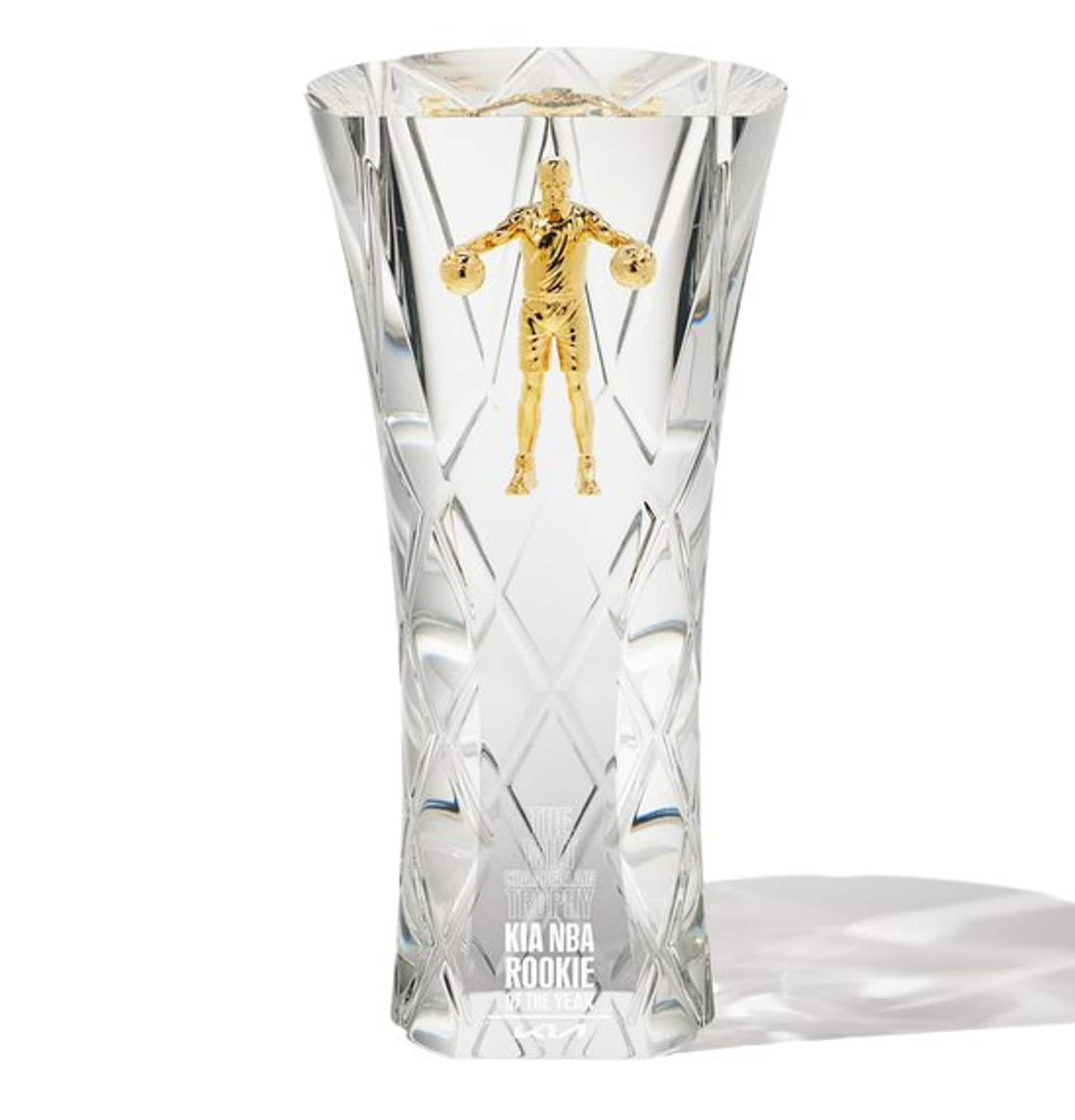



Yaxel Lendeborg
all
3 markets
Predict
Kalshi
Polymarket
consensus
News
Positive
Negative
Neutral
Hover marker for details
Vol.
·
Resolves Jul 31, 2027
Latest in Sports


Will Yaxel Lendeborg win the 2026-27 NBA Rookie of the Year?
$

Description
This group of markets predicts which player will win the NBA Rookie of the Year award for the 2026-27 NBA regular season. Markets resolve based on the official NBA announcement, with specific rules for ties and cancellations.
PredictionHero - Resolution Divergence Alerts (RDA)
Unified Resolution Criteria (Consistent across platforms)
All platforms use the same resolution criteria based on the official NBA Rookie of the Year award winner, with consistent tie-breaking and cancellation rules.Primary resolution logic: Official NBA announcement, with credible reporting as a secondary sourceCore resolution logic:
- Resolve to the player who wins the official NBA Rookie of the Year award for the 2026-27 season
- In case of a tie, resolve to the player whose listed last name comes first alphabetically
- If the season is cancelled, postponed after April 30, 2027, or no winner is declared by that time, resolve to "Other"
Edge cases & clarifications:
- Tie/Co-Winners: If multiple winners are announced, resolve to the player whose listed last name comes first alphabetically
- Season Cancellation: If the 2026-27 NBA regular season is cancelled, postponed after April 30, 2027, 11:59 PM ET, or there is otherwise no winner declared within that timeframe, resolve to "Other"
Polymarket
This market will resolve to the player who wins the Rookie of the Year award for the 2026-27 NBA regular season. In the event of a tie, this market will resolve according to the official winner as determined by NBA rules. If multiple winners are announced then this market will resolve to the player whose listed last name comes first alphabetically. If the 2026-27 NBA regular season is cancelled, postponed after April 30, 2027, 11:59 PM ET, or there is otherwise no winner declared within that timeframe, this market will resolve to “Other”. The resolution source for this market will be official information from NBA; however, a consensus of credible reporting may also be used.
Kalshi
Each market resolves to Yes if the corresponding player or outcome wins the Pro Basketball Rookie of the Year award for the 2026-27 season. The award recognizes the most exceptional first-year professional basketball player based on regular season performance. Resolution is based on the official award announcement for that season. In the event that the award is shared between multiple players, the Tie/Co-Winners outcome resolves to Yes.
Predict
This market will resolve to the player who wins the Rookie of the Year award for the 2026-27 NBA regular season. In the event of a tie, this market will resolve according to the official winner as determined by NBA rules. If multiple winners are announced then this market will resolve to the player whose listed last name comes first alphabetically. If the 2026-27 NBA regular season is cancelled, postponed after April 30, 2027, 11:59 PM ET, or there is otherwise no winner declared within that timeframe, this market will resolve to “Other”. The resolution source for this market will be official information from NBA; however, a consensus of credible reporting may also be used.
Frequently asked questions
Prediction market odds on this market often reflect sharper, more nuanced insights because traders can continuously adjust positions based on new data. Sportsbook odds tend to be broader and less frequently updated. The difference can be as wide as 2.0 points between the two, with prediction markets sometimes pricing in outcomes sooner due to their responsiveness to trading activity and sentiment shifts.
Polymarket and Kalshi can show different implied probabilities for the same outcome because of liquidity, fee structure, participant mix, and how each venue defines the contract. On Polymarket and Kalshi, pricing can diverge because of differences in user bases, liquidity, and how each platform handles order flow. For instance, Polymarket currently favors Will Cameron Boozer win the 2026-27 NBA Rookie of the Year? at 28.0%, while Kalshi leans toward Will Yaxel Lendeborg win Rookie of the Year? at 30.0%. These variations often reflect regional interest or distinct trading behaviors on each venue.
This market resolves around Jul 31, 2027, with the outcome confirmed once the event is verifiable from credible public reporting. The official NBA announcement and reputable sports news sources will determine the winner, closing the market once the season concludes and awards are finalized.
Key signals that could shift this market include early-season performance stats, injury updates for top rookies, and changing draft projections. Media narratives and coach comments may also sway trader sentiment. As the regular season progresses, weekly performance metrics and playoff pushes from rookie contenders will heavily influence where probabilities land at resolution.
%20scale(0.82)%20translate(-12.5%20-12.5)'%3e%3cpath%20fill='%23000'%20fill-rule='evenodd'%20d='M9.619%2012.69h12.995a1.382%201.382%200%200%200%200-2.76h-3.932l5.298-5.405.032-.032L22.08%202.56h-5.255V1.38c0-.76-.619-1.38-1.38-1.38H9.81c-.76%200-1.38.62-1.38%201.38V11.5c0%20.657.534%201.19%201.19%201.19m12.995-2.186h-5.3l5.89-6.01-1.139-1.139-5.813%205.933V1.38a.806.806%200%200%200-.805-.806.806.806%200%200%200-.805.806v9.545c0%20.656.533%201.19%201.189%201.19h6.783a.806.806%200%200%200%200-1.612'%20clip-rule='evenodd'/%3e%3cpath%20fill='%23000'%20fill-rule='evenodd'%20d='M14.393%2011.31H1.398a1.382%201.382%200%200%200%200%202.76H5.33L.032%2019.476%200%2019.507l1.931%201.933h5.255v1.18c0%20.76.619%201.38%201.379%201.38h5.638c.76%200%201.38-.62%201.38-1.38V12.5c0-.657-.534-1.19-1.19-1.19m.293%2011.31a.8.8%200%200%201-.788.805.797.797%200%200%201-.787-.805v-7.904l-5.69%205.928-1.113-1.139%205.764-6.005H6.884a.797.797%200%200%201-.787-.806c0-.444.353-.806.787-.806h6.638c.642%200%201.164.534%201.164%201.19z'%20clip-rule='evenodd'/%3e%3c/g%3e%3c/svg%3e)