TOTAL VOLUME:
$150.1b
24H VOL:
$142,857,652
24H TRANSACTIONS:
2,859,322,643
OPEN INTEREST:
$1,733,278,615
483,990
Markets across
35,811
events
MATCHED EVENTS:
3,349
PLATFORM COVERAGE:
5
Polymarket:
38%
VS.
Kalshi:
62%

Yes
- Kalshi
Yes - Kalshi
1W
News
Positive
Negative
Neutral
Hover marker for details
Vol.
·
Resolves Dec 31, 2027
Latest in Elections






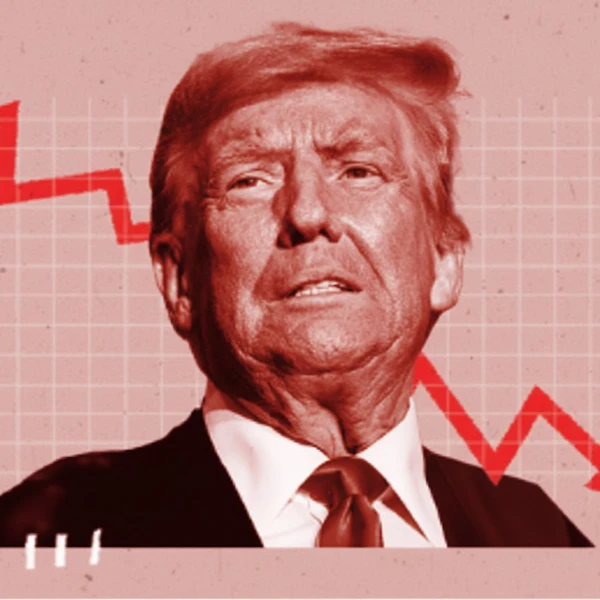
Will the bear case for Trump occur in 2026?
$
Description
Multiple economic and political conditions must all occur simultaneously within a specific timeframe for this event to occur, including approval rating performance, electoral outcomes, and labor market conditions.
Kalshi
If ALL of the following occur: Trump's VoteHub approval rating drops below 35% in 2026 AND Democrats win control of the House of Representatives after the midterms AND the U.S. enters a recession between Q4 2025 and Q4 2026 (inclusive) AND the U.S. unemployment rate (U-3) is at least 5% in any month in 2026, then the market resolves to Yes.
Frequently asked questions
On Kalshi, this market is priced using a continuous double auction, meaning traders buy and sell contracts representing different outcomes. The price of a contract reflects the probability of that outcome occurring, as perceived by the market participants. On Kalshi, prices reflect that venue's order book, liquidity, and how traders price the outcome right now. As more traders participate and new information becomes available, the prices adjust accordingly, providing a dynamic assessment of the likelihood of various scenarios. This creates a real-time, market-driven forecast for the 2026 Trump political future, driven by the collective intelligence of those trading on Kalshi.

